A vendor evaluation form is used to assess the performance of a supplier or service provider. Vendor performance can affect product quality, operational efficiency, and customer satisfaction, making regular evaluation an important business activity. The findings can help you identify areas for improvement, discuss concerns with the vendor, or consider alternative suppliers. A structured form provides a consistent way to record and compare these findings.
Online retailers often work with several vendors at once. Evaluating their performance helps businesses monitor product quality, delivery reliability, and service standards, all of which can influence customers’ shopping experiences.
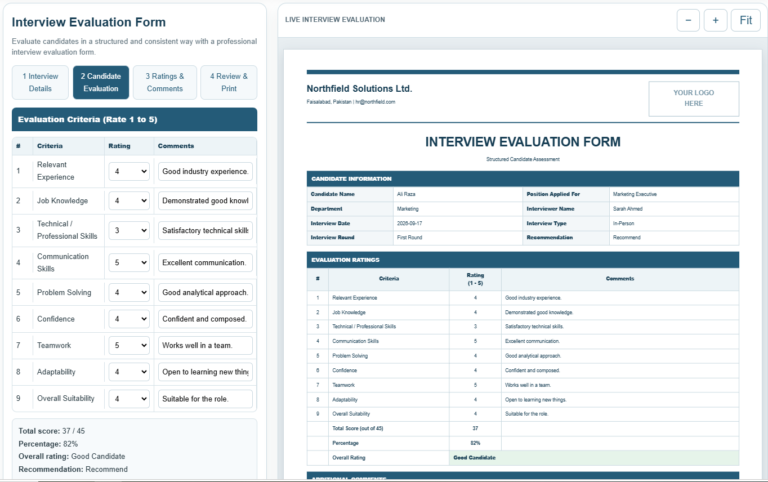
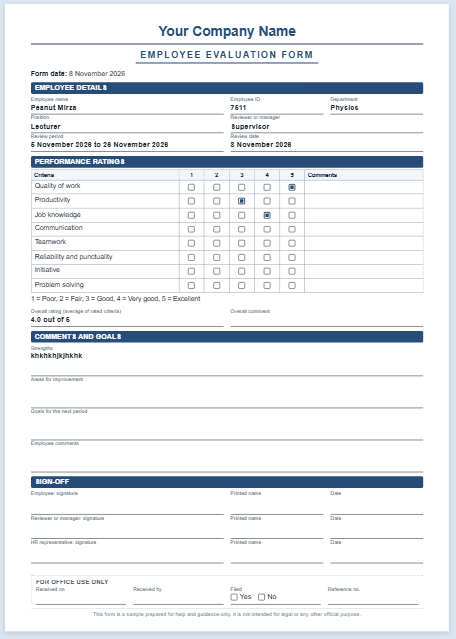
A vendor evaluation form should include relevant vendor information and clearly defined assessment criteria. For example, you can use a five-point rating scale, with 1 representing poor performance and 5 representing excellent performance. Define each rating so reviewers apply the scale consistently. Scores can be totaled or averaged, with greater weight assigned to more important criteria where appropriate. Comparing vendors using the same criteria can support more informed decisions.
(Create sample form below)
Vendor Evaluation Form
Assess a supplier using weighted criteria and document the approval decision.
Vendor Information
Evaluation Criteria
Rate each criterion from 1 (poor) to 5 (excellent). Weights are percentages; the weighted score adjusts automatically.
Assessment & Recommendation
Evaluation Summary
The score supports your assessment; the approval decision is selected separately by the reviewer.
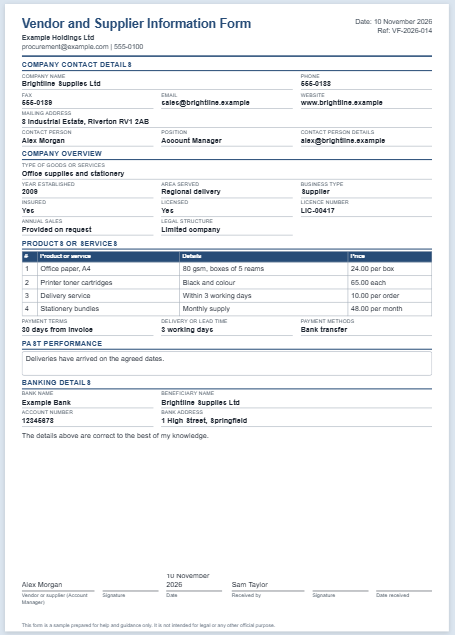
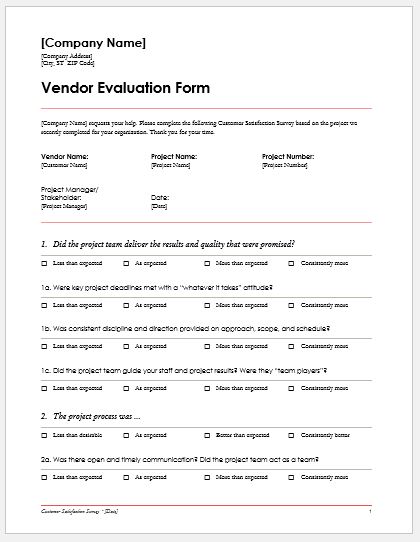
Common evaluation criteria include product quality, delivery times, responsiveness, pricing, and service reliability. The form typically records the vendor’s name, company details, contact information, evaluation date, review period, and the evaluator’s name and department.
The assessment section can include questions about:
- Whether deliveries arrive on time.
- Whether products meet agreed specifications and quality standards.
- Whether prices are competitive and charges are accurate.
- How promptly the vendor responds to inquiries or resolves problems.
- Whether the vendor provides reliable support and clear communication.
- Whether the vendor has the capacity and expertise to meet the business’s needs.
Other factors, such as financial stability or business reputation, may be included when relevant and supported by reliable information.
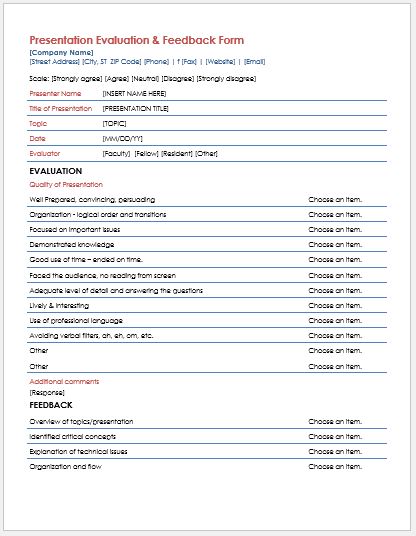
You can also add questions specific to the products or services being evaluated. Use a consistent response scale and include a “Not Applicable” option where necessary. The evaluator should have space to provide examples or evidence supporting the ratings.
A comments section at the end can summarize strengths, concerns, and recommended improvements. You may also include agreed actions, the person responsible for following up, and a review date. Customer feedback can contribute to the evaluation where appropriate, although customers may not be able to assess internal matters such as a vendor’s financial position or operational capacity.
You can create your own vendor evaluation form or customize a ready-made template. Keep the form focused on relevant criteria so it is practical to complete and produces useful information for reviewing vendor performance.
Preview and Details of the Templates

File: Word (.doc)
Size 45 KB
File: Word (.doc)
Size 52 KB

Size 59 KB

Size 53 KB

Size 45 KB