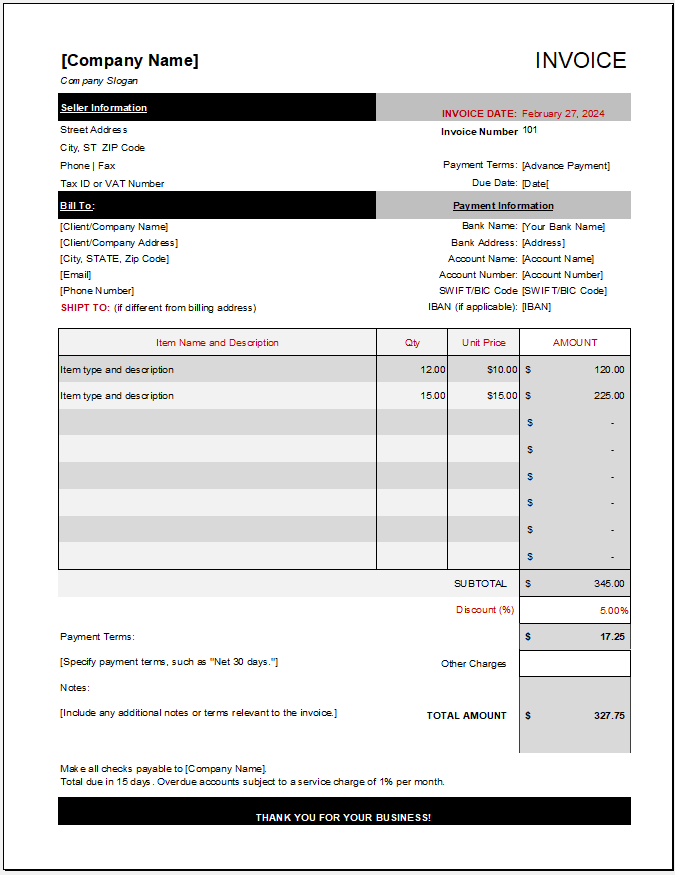
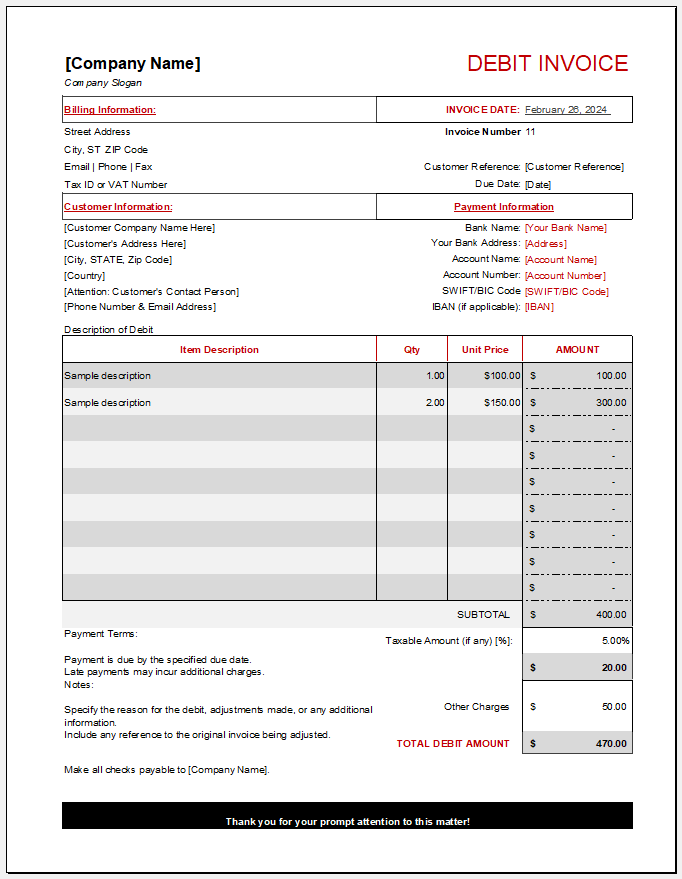
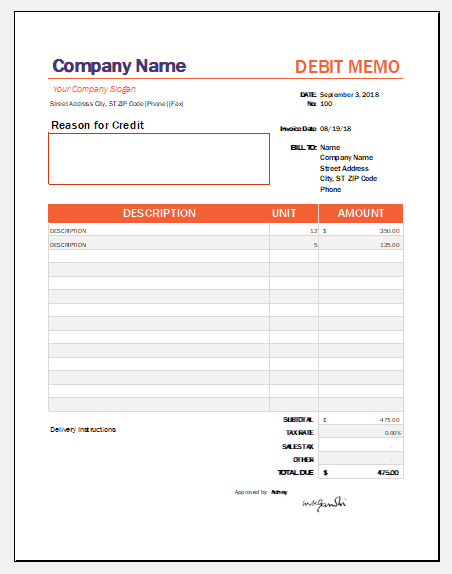
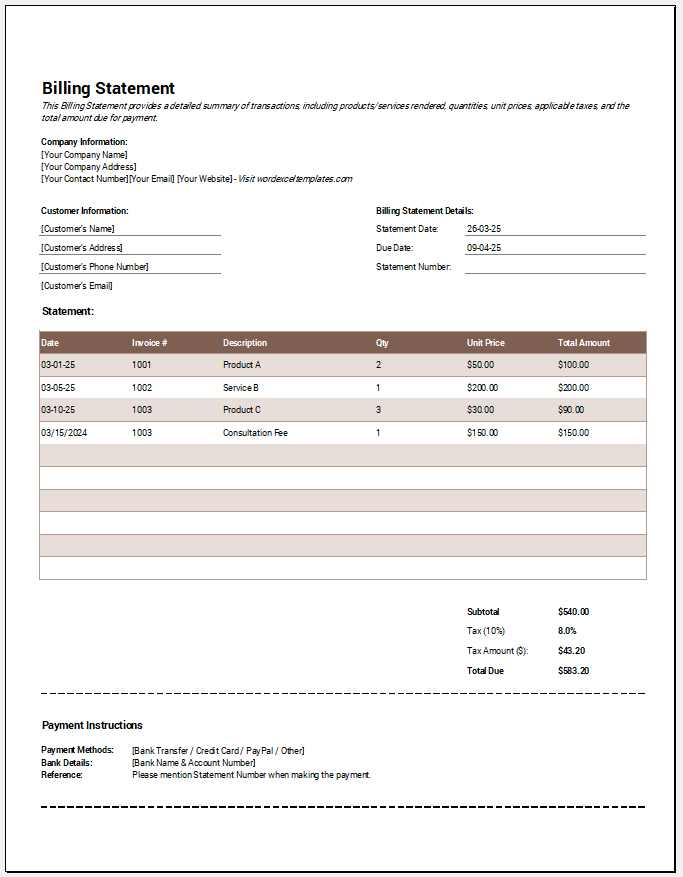
An invoice is a financial document used to indicate the payment that a customer or client needs to make for goods or services received. It provides a detailed breakdown of the purchased items along with the total amount due. In most standard cases, invoices include items that share the same due date, making the payment process straightforward and easier to manage.
The total amount mentioned in the invoice is required to be paid within a specified deadline. However, there is another less commonly used but highly useful type of invoice known as a mixed invoice, which is designed to handle more complex billing situations.
What is a Mixed Invoice?
A mixed invoice is a type of billing document that includes details of different types of transactions, often with varying payment terms and due dates. Unlike a standard invoice, which typically follows a single payment deadline, a mixed invoice brings multiple transactions together in one consolidated document.
This type of invoice is not widely used in simple transactions because most billing systems rely on a single due date structure. However, it becomes very useful in situations where customers have multiple ongoing purchases or services with different billing cycles.
Businesses that sell goods or services on credit often rely on mixed invoices. For example, if a customer makes several purchases at different times and each transaction has a separate due date, the business can combine all outstanding amounts into one invoice. This eliminates the need to issue multiple separate invoices for the same customer and helps maintain better financial organization.
Uses of a Mixed Invoice
Mixed invoices serve several important purposes for businesses and customers. They are especially helpful in managing complex billing relationships where multiple transactions occur over time. Some of the main uses are discussed below:
1. Convenience for Customers
When a customer has multiple outstanding payments with different due dates, it can become difficult to track each one individually. This often leads to missed or delayed payments, which can create inconvenience for both the customer and the business.
A mixed invoice solves this issue by listing all pending payments in one document along with their respective due dates. This makes it easier for customers to understand what they owe and when each payment is due. As a result, it improves financial tracking and reduces the chances of missed payments.
2. Cost and Time Efficiency
Creating separate invoices for every transaction requires additional time and effort from the business. It involves repeated data entry, document formatting, printing, and distribution, all of which increase operational costs.
By using a mixed invoice, businesses can combine multiple transactions into a single document. This reduces administrative workload, saves time, and lowers printing and handling expenses. It also improves efficiency in accounting and record-keeping, especially for businesses that deal with frequent repeat customers.
3. Improved Clarity of Payments
When multiple invoices are issued for the same customer, each with different due dates, it can sometimes create confusion regarding outstanding balances. Customers may struggle to keep track of what they have already paid and what is still pending.
A mixed invoice provides a clear and consolidated overview of all transactions in one place. It improves transparency by showing all due amounts and deadlines together. This helps customers better understand their financial obligations and allows businesses to maintain accurate records of receivables.
4. Reduced Paper Usage
In organizations that still use printed billing systems, issuing multiple invoices for the same customer can result in unnecessary paper consumption. A mixed invoice helps reduce this by combining all billing details into a single document.
This not only lowers printing costs but also supports environmentally friendly business practices by reducing paper waste. Additionally, it minimizes the risk of lost or misplaced invoices, which can sometimes happen when multiple documents are sent separately to the same customer.
Mixed Invoice Template
If you need to use a mixed invoice but do not want to design one from the beginning, you can use a ready-made template. A mixed invoice template provides a professionally designed format that simplifies the entire billing process.
With the help of a template, businesses do not need to worry about layout, formatting, or structure. They can simply enter transaction details, due amounts, and payment dates, and the document is ready for use. This saves time and ensures consistency across all invoices.
Mixed invoice templates are easily available on various online platforms and are widely used by businesses of all sizes. However, it is important to ensure that all information, especially payment amounts and due dates, is entered accurately. Even a small error can lead to confusion or delays in payment processing.
A well-prepared mixed invoice template not only improves efficiency but also enhances professionalism in financial communication between businesses and their clients. (See the template given below)
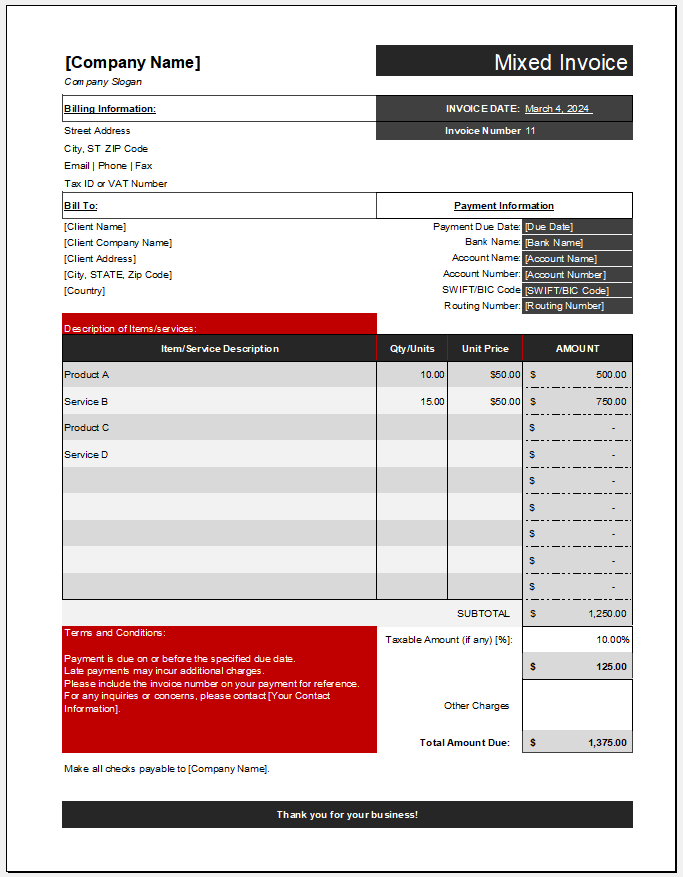
Invoice File Size: 47 KB
- All-in-One Debit Note Generator
- Mixed Invoice Template
- Progress Invoice Generator
- Standard Invoice Template
- Credit Invoice Generator
- Debit Invoice (Debit Note) Template for Excel
- Expense Report Invoice for Excel
- Recurring Invoice
- Time-Based Invoice Generator
- Proforma Invoice Generator
- Debit Memo Templates
- Transport Bill Template
- Credit Memo Generator
- Rental Billing Statement Generator
- Invoice Tracker