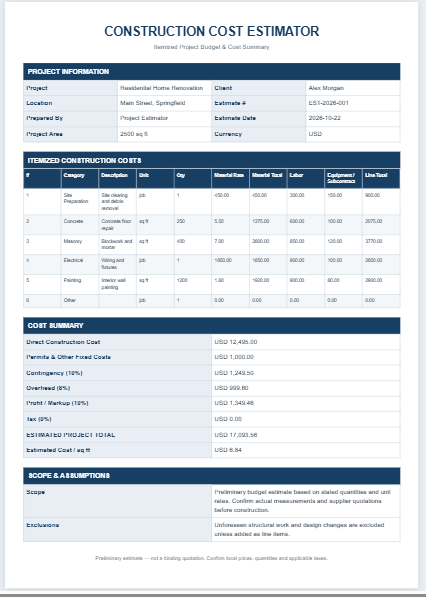
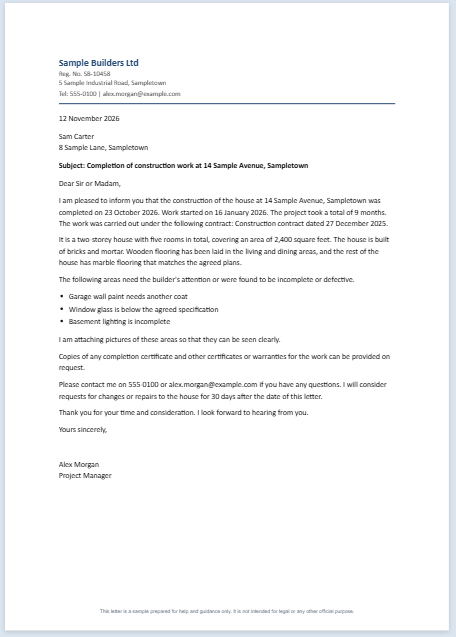
One of the biggest challenges project managers face is working with limited resources. Time is one of the most important resources in any project. Poor time management can cause delays, increase costs, and, in serious cases, put the project’s completion at risk.
What is a construction project timeline?
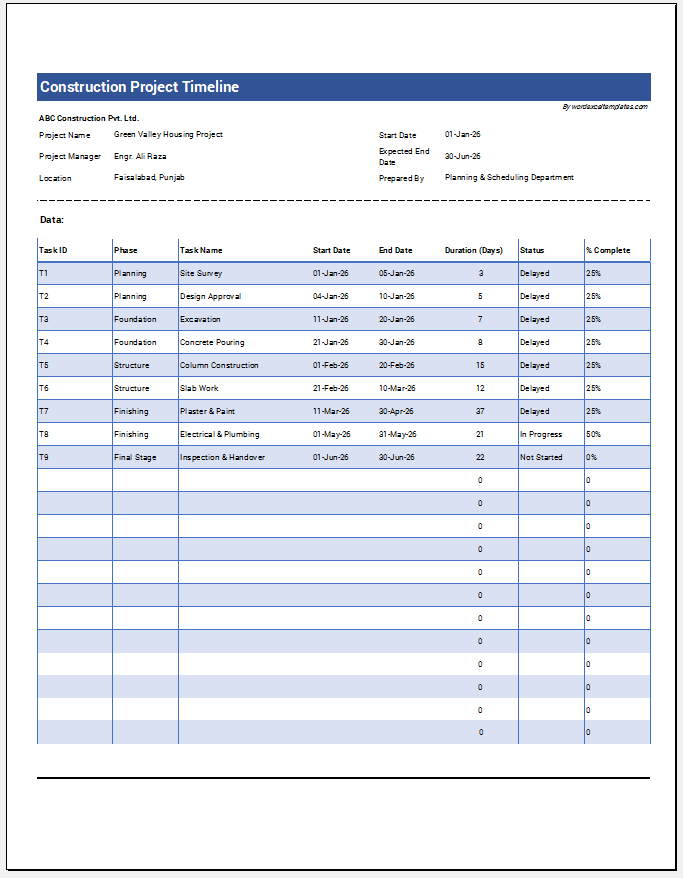
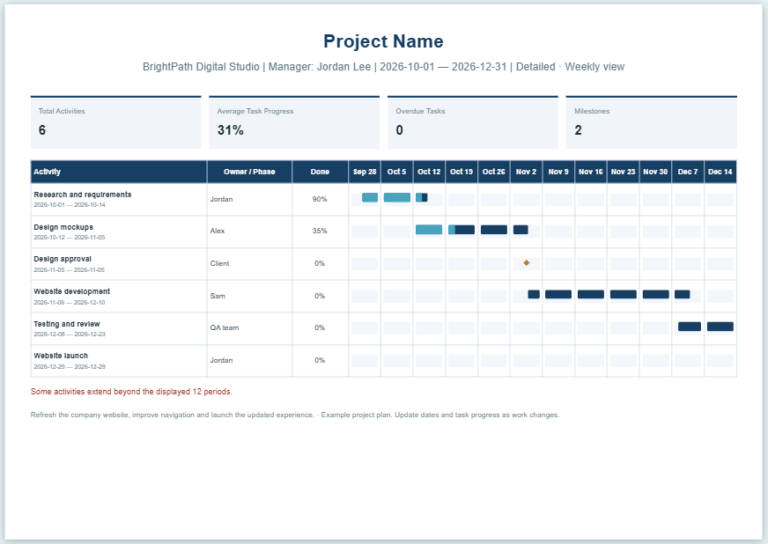
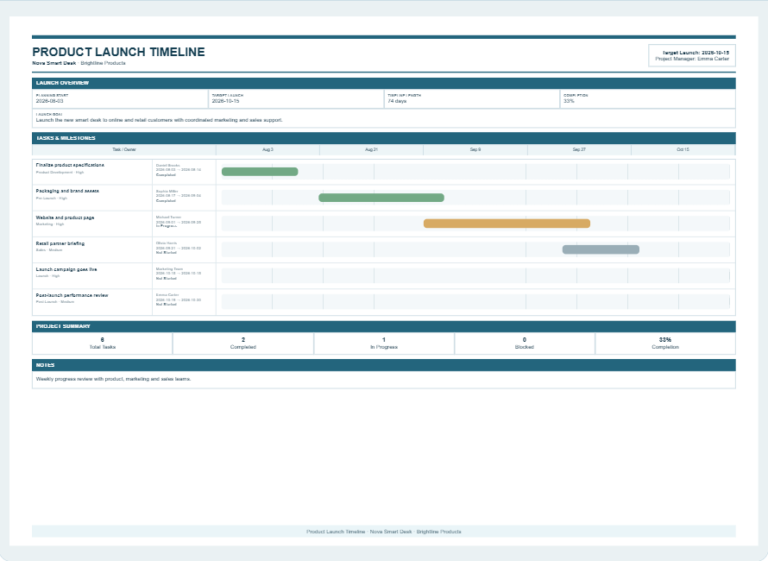
A construction project timeline is a visual schedule showing the main activities, phases, and milestones from the beginning of a project to its completion. Creating a timeline involves breaking the project into manageable tasks and assigning realistic dates to them.
Each task is given a planned start and finish date, while milestones mark significant events or achievements. Meeting these dates supports successful delivery, although project success also depends on factors such as quality, cost, and scope.
Create your construction project timeline template below.
Project details
Construction phases & activities
Dates and progress can be edited. Add as many activities as needed.
Milestones
Review & notes
Excel export includes editable activities and formulas for duration, status counts and average completion.
Why is a timeline important for a construction project team?
Even experienced teams need a shared schedule to coordinate activities and estimate when the project will be completed. Without one, it can be difficult to understand task dependencies, allocate resources, and assess the impact of delays.
Top reasons to use a construction project schedule:
A schedule connects the project’s action plan with the time available to carry it out. It gives the team a shared reference for priorities, upcoming work, and target dates.
The following are some key benefits of using a construction project timeline:
It makes the project manageable:
Sometimes, a construction team is assigned a large building project that feels overwhelming. Dividing the work into smaller activities and phases makes it easier to plan, assign, and monitor.
It helps manage resources:
Construction projects require careful coordination of labor, materials, equipment, and funding. A timeline helps managers identify when these resources will be needed and plan their availability accordingly. This can reduce scheduling conflicts and avoidable interruptions.
It helps identify potential delays:
A timeline allows the team to compare planned dates with actual progress. Regular reviews can highlight tasks that are taking longer than expected and give managers an opportunity to adjust the plan. A timeline cannot prevent every delay, but keeping it current supports more realistic scheduling.
Ways to create a construction project timeline:
Understand your project thoroughly:
Review the project’s scope, requirements, deliverables, and constraints before setting dates. A clear understanding of the work helps you create a realistic timeline and identify activities that need particular attention.
Identify all the tasks:
List the tasks needed to complete the project, including preparation, construction, inspections, approvals, and handover activities. Break larger tasks into manageable steps and identify which activities depend on others.
List all the milestone dates:
Make a list of important target dates, such as completing a major phase, obtaining approval, or handing over the finished building. Track these milestones as the project progresses to see what has been achieved and what remains outstanding.
Tasks and phases should have planned start and finish dates. Milestones usually represent a single significant point in the schedule. Review both regularly and update the timeline when changes affect the work or expected completion date.
MS Excel Template