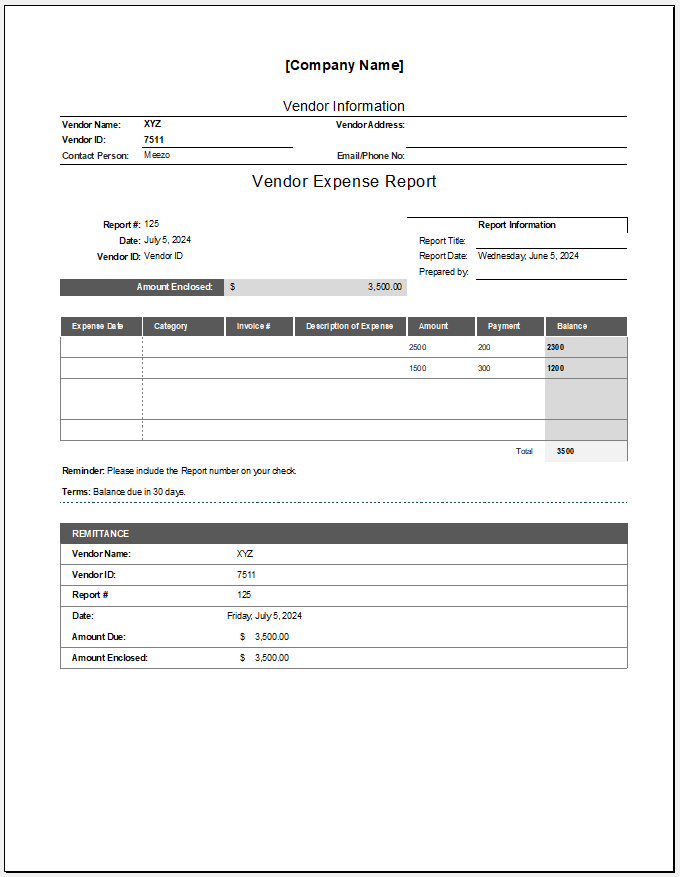
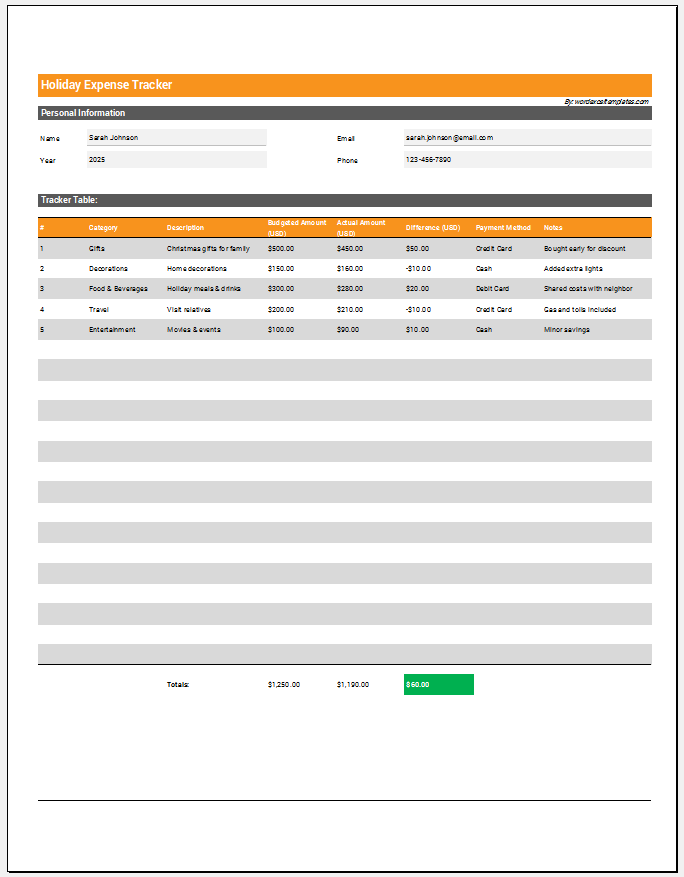
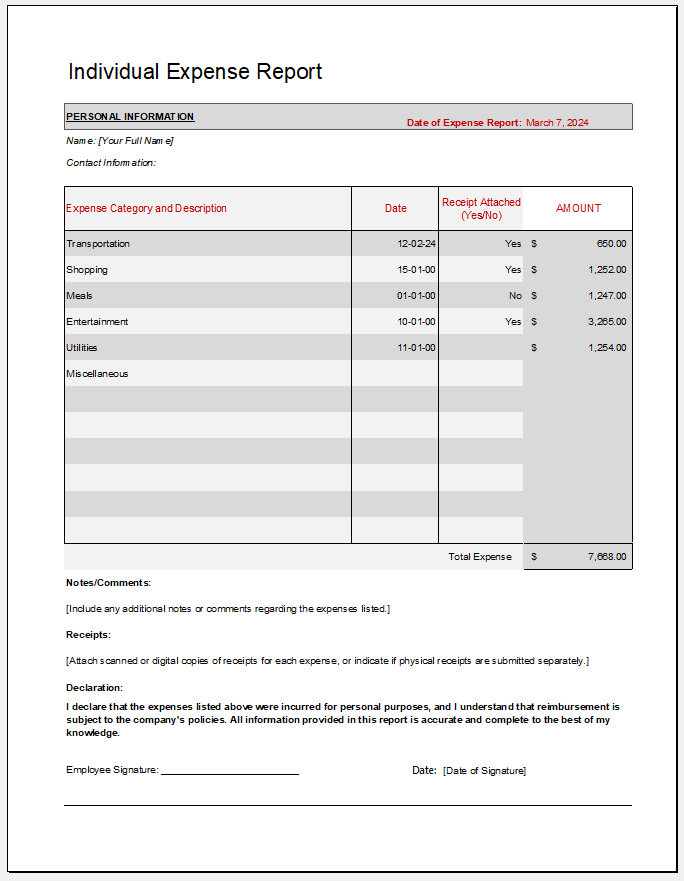
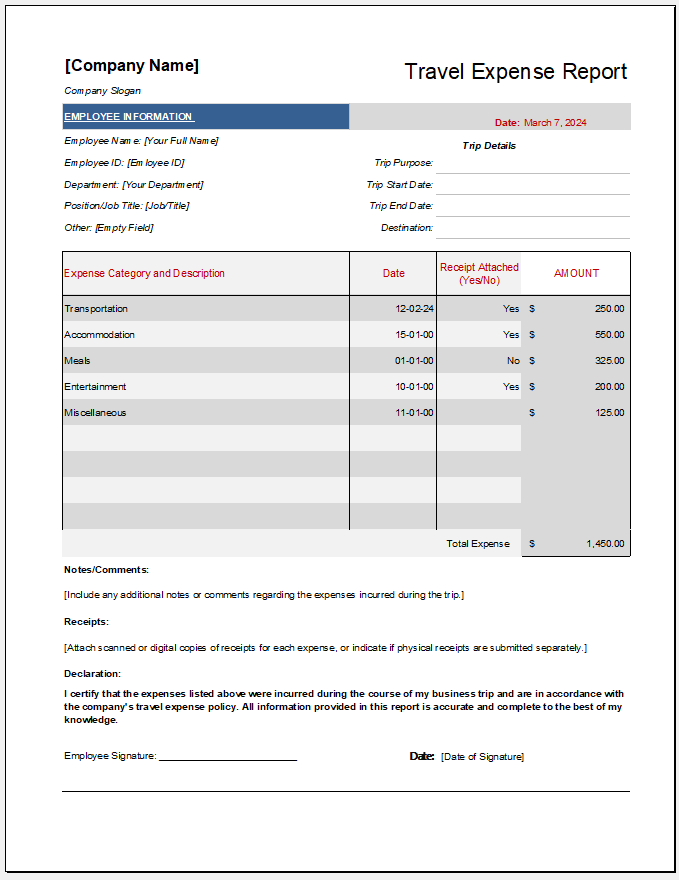
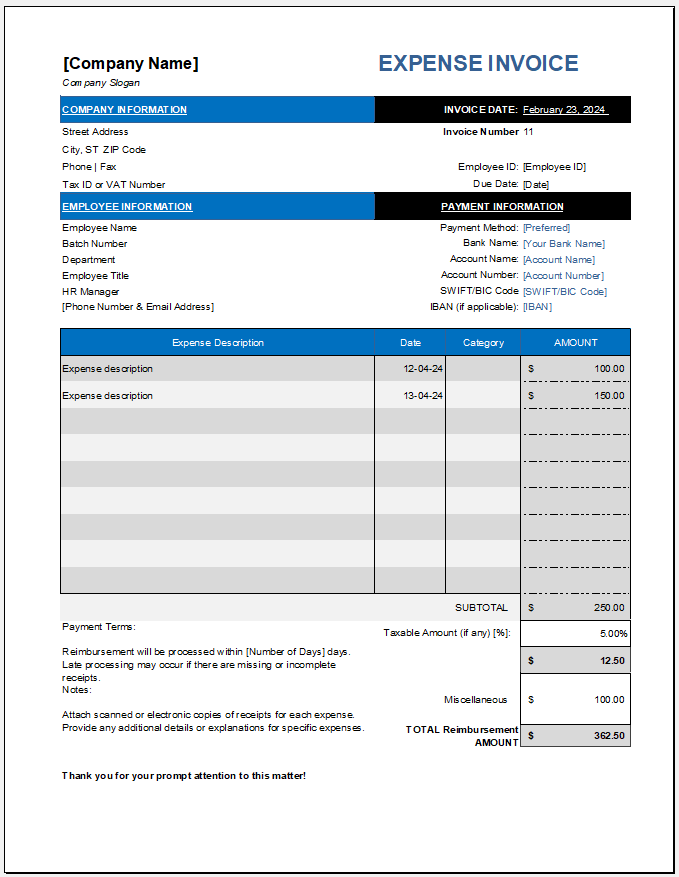
An Entertainment Expense Report records business-related entertainment costs incurred by an employee or other authorized person. These may include eligible expenses associated with client meetings, business meals, corporate events, hospitality, or other activities undertaken for a documented business purpose.
The report helps identify who incurred the expense, when and where it occurred, its business purpose, the amount paid, and any supporting receipts or documentation. Before submitting expenses for reimbursement, check the organization’s expense policy, spending limits, approval requirements, documentation rules, and submission deadlines.
What is an Entertainment Expense Report?
An entertainment expense report is a business record used to document entertainment or hospitality expenses incurred for an authorized business purpose. It provides the information needed for the organization to review the expense and determine whether it qualifies for reimbursement or other internal accounting treatment.
A report commonly records the date, venue or merchant, people involved, business purpose, expense category, payment method, and amount. Receipts or other supporting documents may also be required under the organization’s expense policy.
Submitting an expense report does not automatically mean that an expense will be approved or reimbursed. Eligibility can depend on company policy, authorization limits, supporting documentation, the nature of the expense, and applicable accounting or tax requirements.
Purpose of an Entertainment Expense Report
An entertainment expense report helps an organization review and document business-related hospitality or entertainment spending. It creates a consistent record that can be compared with receipts, company expense policies, approval limits, and accounting records.
The report can help:
- Identify the business purpose of an expense.
- Record who participated in the meeting, event, or activity where required.
- Separate different expense categories for accounting purposes.
- Support reimbursement review and approval workflows.
- Match reported expenses with receipts and other supporting documentation.
- Maintain records for internal accounting, budgeting, or audit purposes.
Employees should describe the business purpose accurately and avoid classifying personal expenses as business entertainment. Whether an expense is reimbursable, deductible, or subject to particular accounting treatment depends on the organization’s policies and applicable requirements.
What to Include in an Entertainment Expense Report
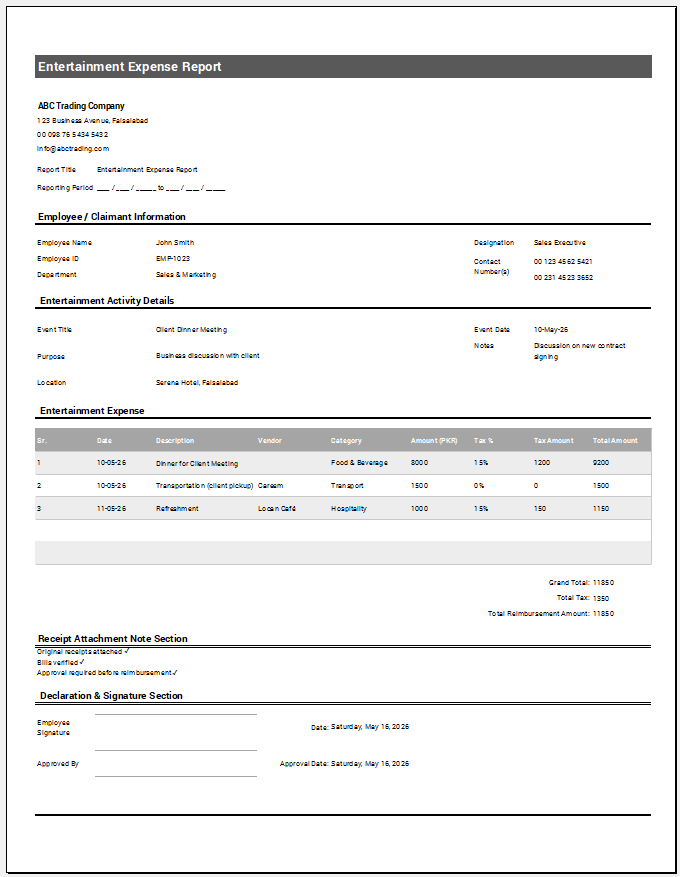
The information required will depend on the organization’s expense policy, but a report commonly includes:
- Employee details: Name, department, employee ID, or other information required for reimbursement.
- Date and location: When and where the expense occurred.
- Expense category: For example, business meal, client entertainment, hospitality, or corporate event.
- Business purpose: A clear explanation of why the expense was incurred.
- Attendees: Names, organizations, or business relationships of participants where required.
- Amount: The amount paid, including applicable taxes, tips, or other permitted charges.
- Payment method: Such as company card, personal card, cash, or another approved method.
- Supporting documentation: Receipts, invoices, approvals, or other records required by company policy.
- Approval information: Manager or finance approval where applicable.
Before submitting the report, check that the amounts agree with the supporting documents and that the expense has been categorized correctly. Missing receipts or incomplete business-purpose information may affect whether an expense can be approved.
Format: MS Excel (.xlsx)