Conducting a home inspection is one of the most important steps in maintaining, buying, selling, or renting a property. Missing a damaged roof tile, faulty electrical outlet, plumbing leak, or structural concern can lead to unexpected expenses and safety risks later. To simplify this process, our Home Inspection Checklist Generator allows users to create customized home inspection checklists online within minutes.
Unlike traditional paper forms that require manual editing, this AI-powered generator helps users produce a professional checklist tailored to their specific property and inspection requirements. Whether you are a homeowner performing seasonal maintenance, a buyer evaluating a potential purchase, a landlord preparing for tenant turnover, or a property manager conducting routine assessments, this tool provides a convenient and organized solution.
What Is a Home Inspection Checklist Generator?
A Home Inspection Checklist Generator is an online tool designed to create detailed inspection worksheets based on the user’s needs. Instead of starting from scratch, users simply provide the necessary information, and the generator automatically prepares a structured checklist covering the areas that require evaluation.
The generated checklist can then be reviewed online, printed, or downloaded for recordkeeping purposes. This saves time while ensuring that important inspection points are not overlooked.
Why Use an Online Generator?
Traditional inspection forms often require users to manually adjust sections, add notes, or modify inspection categories. An online generator streamlines this process by creating a ready-to-use document instantly.
Some of the advantages include:
- Faster checklist creation without manual formatting.
- More organized and professional inspection records.
- Flexibility to customize inspections based on the type of property.
- Reduced chances of forgetting important inspection areas.
- Improved documentation for maintenance planning and property transactions.
- Easy printing and digital storage options.
- Accessibility from any device with an internet connection.
For individuals who conduct inspections regularly, an online generator significantly improves efficiency and consistency.
What Can Be Included in the Generated Checklist?
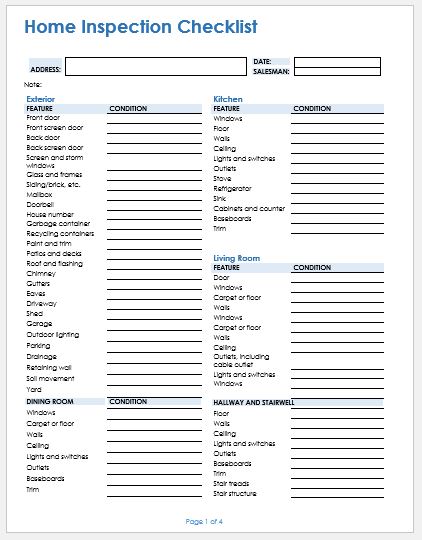
The Home Inspection Checklist Generator can produce inspection forms covering multiple sections of a residential property.
Exterior Areas
Users can include inspection items related to:
- Roof condition
- Gutters and downspouts
- Exterior walls and siding
- Windows and exterior doors
- Driveways and walkways
- Garage structures
- Outdoor lighting
- Fencing and gates
- Landscaping and drainage systems
Interior Spaces
The generated checklist may cover:
- Living rooms
- Dining areas
- Hallways
- Staircases
- Flooring conditions
- Walls and ceilings
- Interior doors and windows
- Switches and electrical outlets
Kitchen Evaluation
Kitchen inspections can include:
- Cabinets and countertops
- Plumbing fixtures
- Sink condition
- Appliances
- Ventilation systems
- Lighting fixtures
- Flooring surfaces
Bedrooms
Each bedroom section may assess:
- Windows and locks
- Closet condition
- Floors and carpeting
- Ceiling and wall surfaces
- Electrical fixtures
- General cleanliness and maintenance concerns
Bathroom Areas
Common inspection points include:
- Toilets
- Bathtubs and showers
- Faucets and drainage
- Vanities and cabinets
- Ventilation fans
- Flooring conditions
- Water damage indicators
Mechanical Systems
The checklist generator may also provide sections for:
- Plumbing systems
- Water heaters
- Electrical panels
- Heating systems
- Air conditioning equipment
- Smoke detectors
- Carbon monoxide detectors
Basement and Structural Components
Inspection categories may include:
- Foundation walls
- Signs of moisture intrusion
- Sump pumps
- Storage spaces
- Structural concerns
- Basement stairways
How to Use the Generator
Using the Home Inspection Checklist Generator is simple:
- Open the online generator.
- Enter the property details.
- Select the inspection areas relevant to the property.
- Generate the checklist instantly.
- Add observations and inspection notes.
- Print or save the completed inspection report.
This streamlined approach helps users focus more on the actual inspection rather than preparing documents.
Benefits of Regular Home Inspections
Routine inspections can help property owners identify issues before they become major problems. Early detection of leaks, electrical faults, structural damage, or deteriorating systems can reduce repair costs and improve overall safety.
Regular inspections also help homeowners maintain the value of their properties while providing buyers and tenants with greater confidence in the condition of the home.
About This Home Inspection Checklist Generator
Our Home Inspection Checklist Generator provides an easy and efficient way to create professional home inspection worksheets online. The generated forms can include sections for property information, inspection notes, exterior components, interior rooms, kitchen areas, bathrooms, mechanical systems, basement conditions, landscaping observations, and neighboring property considerations.
Users can quickly generate inspection documents that are suitable for homeowners, landlords, tenants, property managers, and professional inspectors. The online format eliminates the need for manual document preparation while ensuring consistency and completeness throughout the inspection process.
Prefer Using Excel?
If you prefer working with traditional spreadsheet-based documents, we also continue to offer the Home Inspection Checklist Template for MS Excel. The Excel version is ideal for users who need an editable offline worksheet with structured inspection categories and condition-rating systems. You can download, customize, and maintain inspection records directly within Microsoft Excel according to your requirements.
Whether you choose the convenience of our AI-powered online generator or the familiarity of the Excel worksheet, both options are designed to help you conduct thorough and organized home inspections with confidence.
File: MS Word (.docx) Size: 84 KB
- AI SOP Generator
- AI Business Document Generator
- AI Incident Report Generator
- AI Job Safety Analysis (JSA/JHA) Generator
- Inventory Dashboard Generator
- Sales Dashboard Generator
- AI Marketing Strategy Generator.
- AI Email Campaign Generator
- AI Social Media Content Calendar Generator
- AI Customer Persona Generator
- AI Feasibility Study Generator
- AI Executive Summary Generator
- AI Business Proposal Generator
- AI SWOT Analysis Generator
- KPI Scorecard Generator