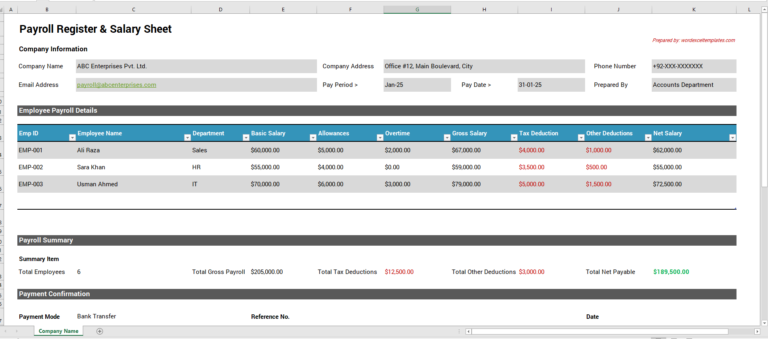
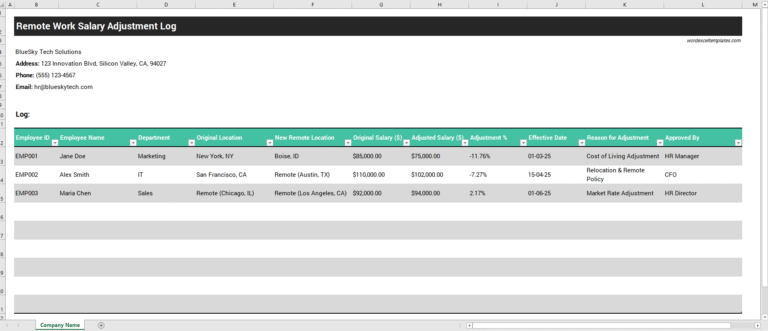
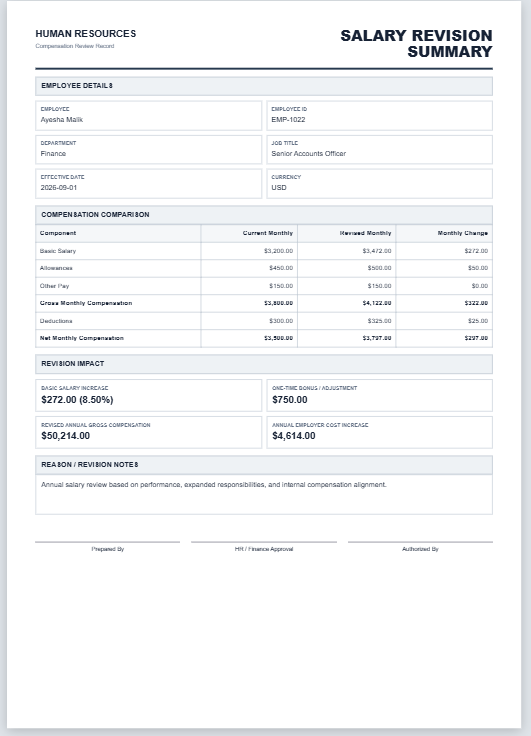
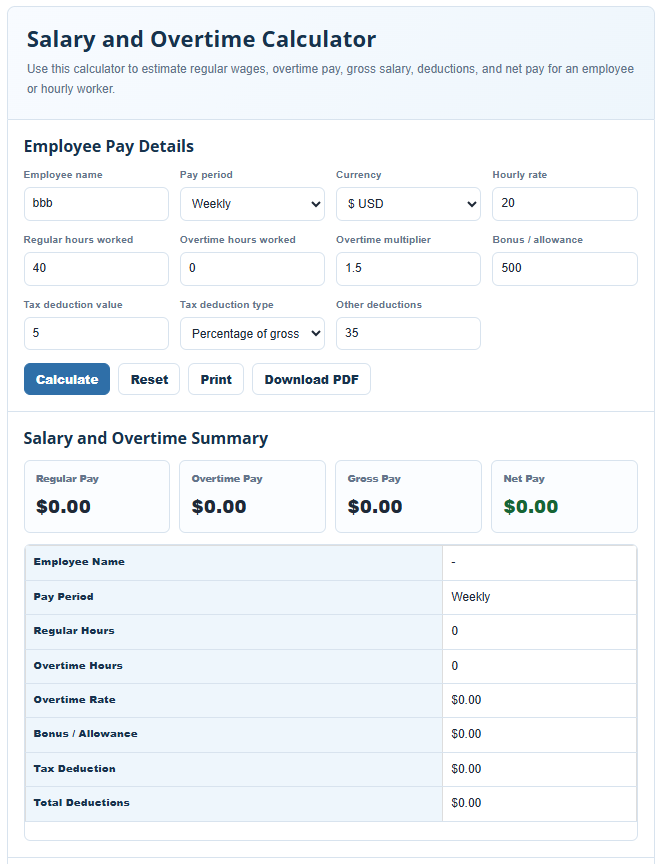
A salary discrepancy occurs when there is a difference between the amount an employee expects to receive and the amount actually paid. This difference may result from incorrect calculations, missing payments, unexpected deductions, inaccurate attendance records, or other payroll-related issues.
However, not every difference indicates a payroll error. Some variations may result from authorized deductions, changes in working hours, adjustments to benefits, or other legitimate payroll calculations. Therefore, employees should review their payslips and relevant records before reporting a suspected discrepancy.
Why Write a Payroll Discrepancy Letter?
When an employee notices an unexpected difference in their salary, they may write a formal letter to the employer, HR department, or payroll team requesting clarification or correction.
The purpose of the letter is to bring the issue to the attention of the appropriate department and request a review of the salary calculation.
Payroll discrepancies may occur because of incorrectly recorded working hours, inaccurate overtime calculations, missing allowances, duplicate deductions, or errors in applying tax and other payroll adjustments.
A written request provides a clear record of the concern and helps the employer identify the relevant payroll period and investigate the issue.
Things to Remember When Writing a Payroll Discrepancy Letter
When writing to the HR or payroll department, consider the following guidelines.
Provide Facts and Figures
Before writing the letter, review your payslip, employment agreement, attendance records, and any other relevant documents.
Identify the specific difference between the expected and received amounts.
For example, if your employment agreement specifies a particular deduction or allowance, but your payslip shows a different amount, mention the relevant figures and request clarification.
Whenever possible, include the payroll period, expected amount, actual amount received, and the difference between them.
Supporting information will help the payroll department investigate the matter more efficiently.
Be Clear and Confident
Explain the issue directly and professionally.
If you have verified the relevant figures, state the discrepancy clearly instead of using unnecessarily vague language.
However, avoid presenting an assumption as a confirmed payroll error. If you are uncertain about the reason for a deduction or adjustment, request an explanation rather than making an accusation.
Maintain a Polite Tone
Avoid blaming individual employees or assuming that the discrepancy was intentional.
Payroll calculations may involve several departments, records, and adjustments. A respectful and cooperative approach can help resolve the issue without unnecessary conflict.
When Should You Write a Payroll Discrepancy Letter?
You may consider writing a payroll discrepancy letter in situations such as the following:
- Incorrect loan deductions: An installment continues to be deducted from your salary even though your records indicate that the loan has been fully repaid.
- Unexpected provident fund deductions: The contribution shown on your payslip differs from the amount you expected under the applicable plan.
- Changes in tax or insurance deductions: The deducted amount has changed, and you need clarification about the reason.
- Incorrect tax calculations: You believe the payroll system has applied an incorrect tax amount or failed to account for relevant information.
- Inaccurate working hours: The number of hours or days recorded in the payroll does not match your attendance records.
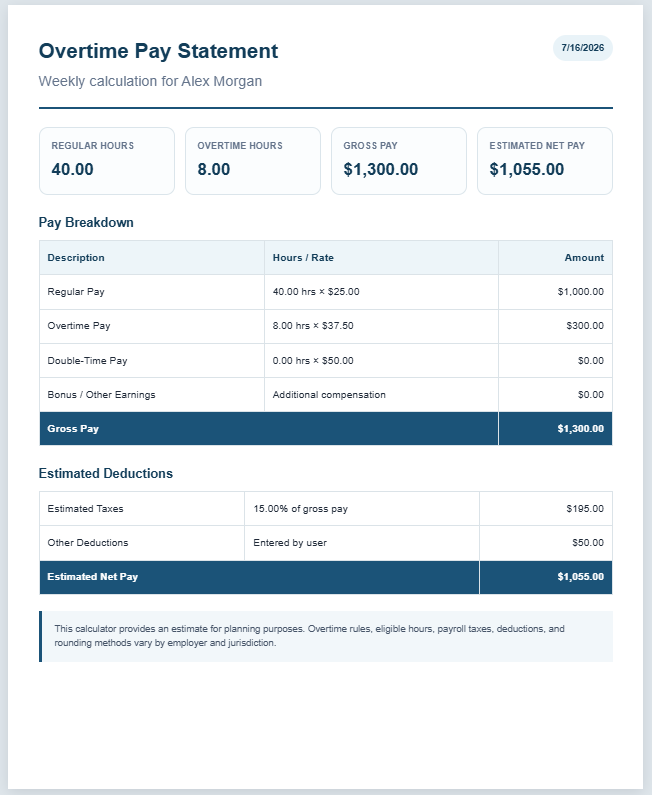
- Missing overtime payments: Approved overtime hours have not been included in your salary.
- Missing allowances or bonuses: An agreed or approved payment is absent from your payslip.
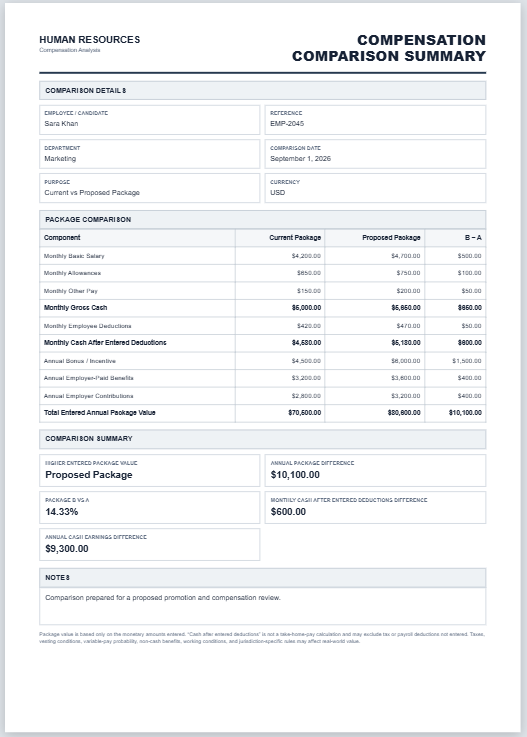
- Incorrect salary adjustments: A salary increase or other approved adjustment has not been reflected in the payroll.
These are some common situations in which an employee may request a payroll review.
Remember that a deduction is not necessarily incorrect simply because it was unexpected or not separately announced. The purpose of the letter is to establish whether the calculation is accurate and request a correction where necessary.
How to Write a Payroll Discrepancy Letter
A payroll discrepancy letter should be concise, factual, and professionally written. The following steps can help you prepare one.
Write a Specific Subject Line
Begin with a subject line that identifies the payroll issue.
Instead of using a general subject such as “Salary Discrepancy,” provide more specific information whenever possible.
For example:
Subject: Request for Review of Incorrect Salary Deduction – [Month]
or
Subject: Payroll Discrepancy Regarding Overtime Payment – [Month]
A clear subject line helps the HR or payroll department understand the nature of your request.
Introduce Yourself and Provide Salary Details
Start by mentioning your name, employee ID, designation, and department, where relevant.
Identify the payroll period in question and provide the necessary salary details.
For example, you may mention your expected net salary, the amount actually received, and any deduction or adjustment that requires clarification.
There is generally no need to describe your entire employment history unless it is directly relevant to the discrepancy.
Explain the Salary Difference
Describe the discrepancy clearly and provide the supporting figures.
Mention the expected amount, the amount received, and the difference between them.
If the issue concerns overtime, attendance, deductions, or allowances, include the relevant details.
Avoid unnecessary explanations or accusations. Focus on information that can help the payroll department verify the calculation.
Explain What Action You Are Requesting
Conclude the letter by explaining what you would like the employer or payroll department to do.
You may request a detailed salary breakdown, verification of a particular deduction, correction of an incorrect calculation, or payment of any outstanding amount.
If a payroll error is confirmed, you can ask when and how the adjustment will be processed.
End the letter politely and provide your contact details for further communication.
Sample Letter #1
[Date]
To:
[Recipient’s Name]
[Designation]
[Company Name]
Subject: Request for Clarification of Salary Discrepancy – [Month]
Dear [Recipient’s Name],
I am writing to request clarification regarding the salary credited to my account for [Month, Year].
My expected net salary for this period was [Expected Amount]. However, I received [Actual Amount], resulting in a difference of [Difference Amount].
I have reviewed the information available to me but have been unable to identify the reason for this difference. I would therefore appreciate it if you could provide a detailed breakdown of my salary, including any deductions or adjustments applied during the month.
If the difference resulted from a payroll error, I kindly request that the necessary correction be made and that any outstanding amount be paid at the earliest convenient opportunity.
Please let me know if you require my payslip, bank transaction details, or any additional information to investigate the matter.
Thank you for your attention to this issue. I look forward to your response.
Sincerely,
[Your Name]
[Employee ID]
[Designation/Department]
[Contact Information]

Sample -2