Vaccination is an important measure used to protect individuals against various infectious diseases. Depending on the circumstances, people may be required to provide proof that they have received a particular vaccine. Such proof may be required for employment, education, travel, healthcare, or other official purposes.
Different organizations and institutions may have their own vaccination requirements. In some situations, individuals may be asked to provide an official vaccination record, certificate, or other supporting document. A vaccine attestation letter can be used to confirm an individual’s vaccination status when such confirmation is required.
What is a Vaccine Attestation Letter?
A vaccine attestation letter is a document used to confirm that an individual has received a particular vaccine. Depending on the circumstances, it may be issued or signed by an authorized healthcare professional, medical facility, or other authorized person. In some cases, individuals may also be required to attest to their own vaccination status.
The letter generally includes important information about the vaccination, such as the name of the vaccine, date of administration, number of doses received, and other relevant details. It may serve as supporting evidence of vaccination when an organization specifically requires an attestation.
Why is a Vaccine Attestation Letter Important?
A vaccine attestation letter can be useful when an individual is required to provide confirmation of vaccination. It provides relevant information about the person’s vaccination status and helps the requesting organization verify that the required vaccine has been administered.
The letter may include the name of the vaccine, the number of doses administered, and the dates on which they were received. Depending on the requirements, additional information about the healthcare provider or medical facility may also be included.
Because an attestation is a formal declaration, all information provided in the letter should be accurate and truthful. A person signing such a document may be held responsible for providing false or misleading information. Therefore, a vaccine attestation letter should never contain information that is incorrect or cannot be verified.
Situations in Which a Vaccine Attestation Letter May Be Required
The following are some situations in which an individual may be asked to provide a vaccine attestation letter:
- When an employer or organization requires confirmation of a particular vaccination for workplace purposes.
- When a school, college, or university requires students to provide proof of certain vaccinations.
- When a person is traveling to a destination where specific vaccination documentation is required.
- When a healthcare facility requires information about an individual’s vaccination history before providing certain services or treatment.
- When an organization or institution requires vaccination documentation for participation in a particular activity or program.
How to Write a Vaccine Attestation Letter
A vaccine attestation letter should provide clear and accurate information about the vaccination. Depending on its purpose, the following details may be included:
Date of Issuance
The date on which the letter is issued should be clearly stated. The date on which the vaccine was administered should also be included, as it provides important information about the individual’s vaccination history.
Name of the Vaccine
The letter should clearly state the name or type of vaccine administered. This is particularly important when the attestation is being provided to meet a specific vaccination requirement.
Details of Doses
Some vaccines require a single dose, while others require multiple doses to complete the recommended vaccination schedule. The letter should specify the number of doses received and the dates on which they were administered. If applicable, it may also indicate whether the individual has completed the required vaccination schedule.
Details of the Vaccinated Person
The letter should include sufficient information to identify the person whose vaccination status is being confirmed. This may include the individual’s full name, date of birth, identification number, or other relevant details, depending on the purpose of the letter.
Healthcare Provider Information
If the letter is issued by a healthcare professional or medical facility, it should include relevant information about the issuing authority. This may include the healthcare provider’s name, designation, facility name, and contact details.
Signature
The attestation letter should include the signature of the person or authorized professional confirming the information. By signing the document, the individual confirms that the information provided is true and accurate to the best of their knowledge.
Sample Letter
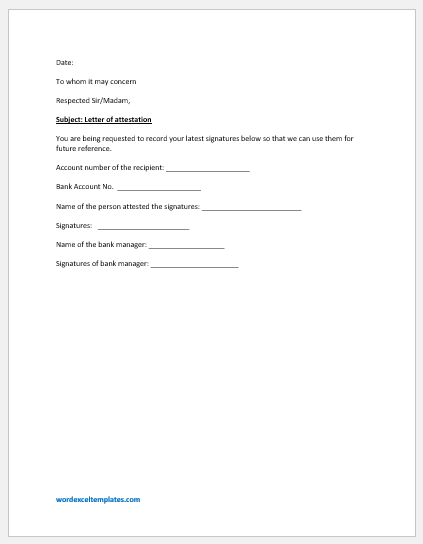
Date: __________
To Whom It May Concern,
Subject: Vaccine Attestation Letter
I, __________, hereby attest that Mr./Ms. __________ has received the [name of vaccine] vaccine.
The first dose was administered on [date], and the second dose, if applicable, was administered on [date]. According to the available vaccination records, the individual has received the doses stated above.
This letter is being issued upon the request of the individual as confirmation of their vaccination status for [state purpose, if required].
I confirm that the information provided above is true and accurate according to the available vaccination records.
Name of Authorized Person: __________________
Designation: __________________
Healthcare Facility/Organization: __________________
Contact Information: __________________
Signature: __________________
Date: __________________