If you love wine and regularly buy bottles, you will want to know what you have in your collection. Keeping an organized inventory can help, especially as your collection grows. Recording suggested drinking windows can also help you plan which bottles to open sooner and which to keep longer.
When you carefully organize and catalog your wine collection, it becomes easier to locate bottles and review what you own. A wine collection inventory provides a useful reference for this purpose.
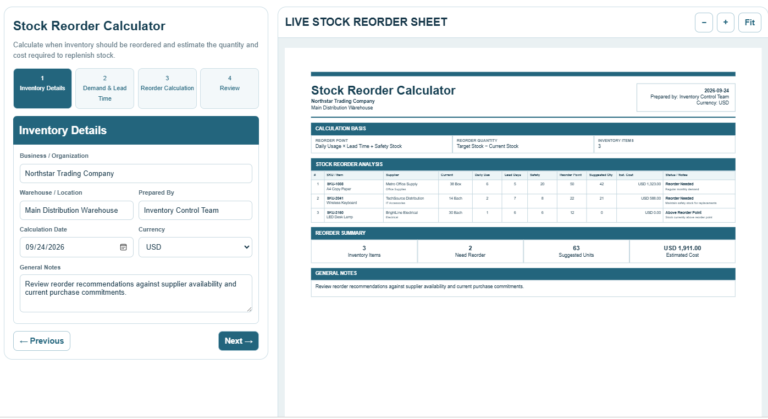
Create your wine collection inventory using the online tool below to keep bottle details, quantities, and storage locations organized.
Wine Collection Inventory
Catalog bottles, track storage, and calculate collection value.
Collection Details
Wine Inventory Records
Add each wine label and vintage as a separate record.
Storage & Tracking
Collection Review
What is a wine collection inventory?
A wine collection inventory is a record of the wines you own, including quantities, identifying details, and storage locations. It can be particularly useful for people who buy wine in advance or keep bottles for aging.
What does a wine collection inventory do?
The inventory lists your wines and relevant information, such as the producer, type, vintage, country, quantity, and bottle size. You can also record purchase dates, tasting notes, and suggested drinking windows. These estimates can guide your choices, although a wine’s development depends on factors such as its characteristics and storage conditions.
How to create a wine collection inventory?
Consider the following tips when preparing your inventory:
Format and application:
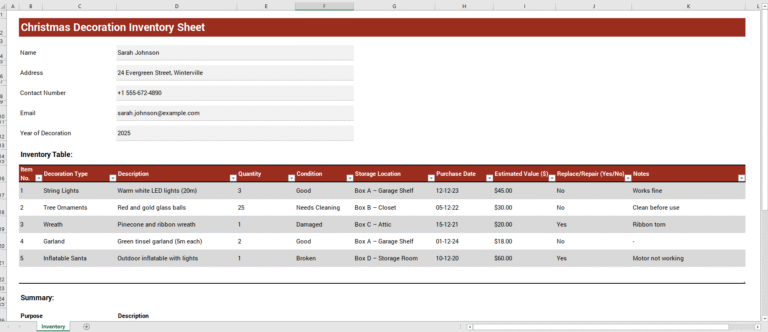
Use an application such as Microsoft Excel to create a clear, organized record. Give the document a heading such as “Wine Collection Inventory,” then arrange the details in a table.
Table with details:
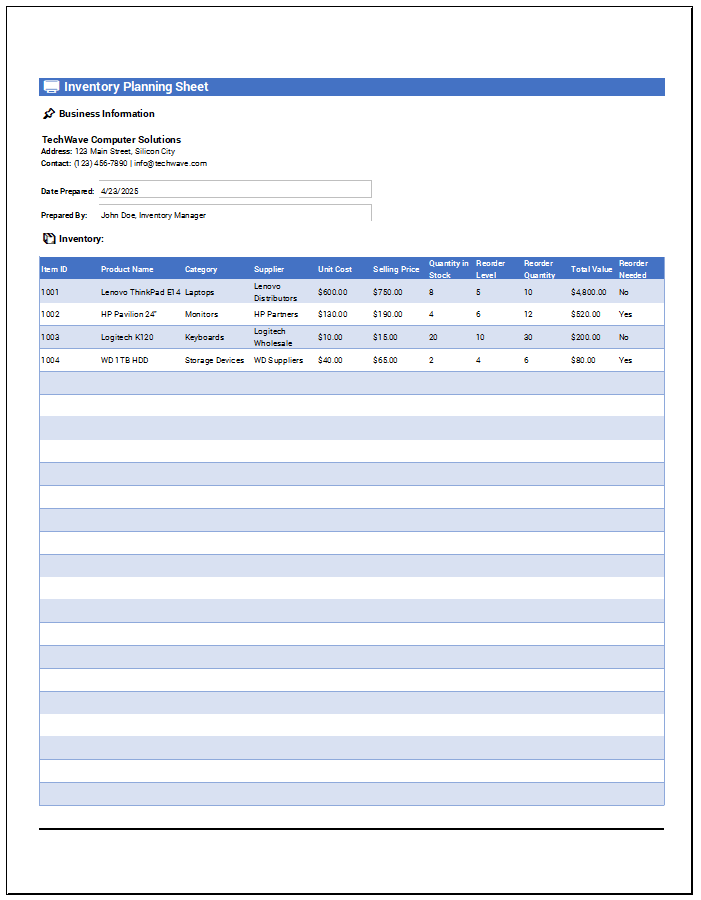
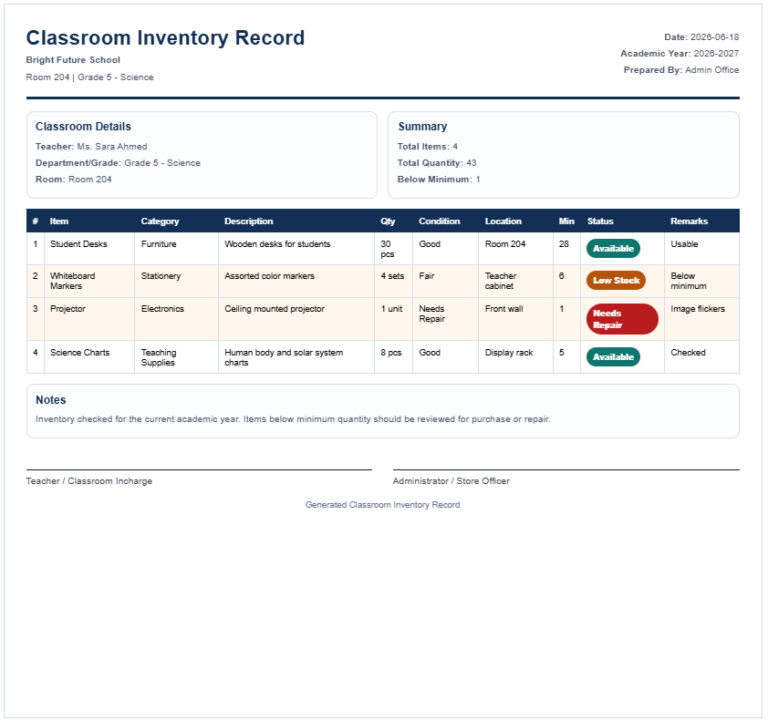
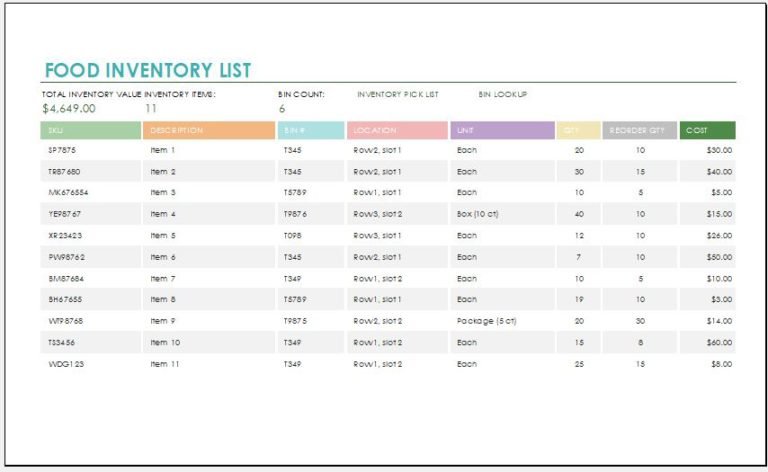
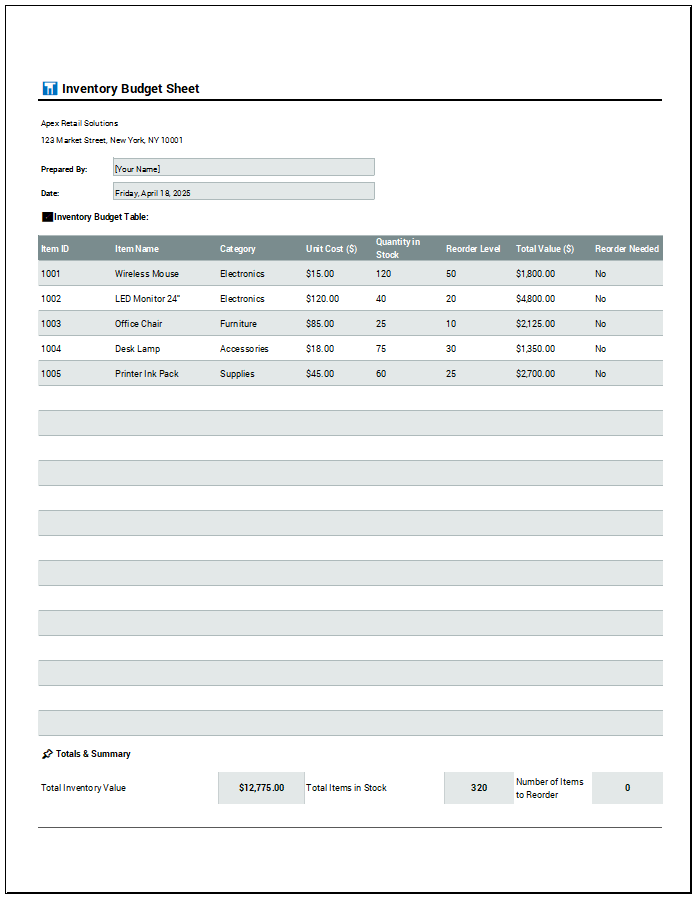
Create a table with columns relevant to your collection. Useful headings include:
- Producer and wine name
- Wine type or style
- Vintage
- Grape variety
- Country and region
- Vineyard, where relevant
- Number of bottles
- Bottle size
- Purchase date and price
- Storage location
- Suggested drinking window
- Tasting notes
Avoid unnecessary fields that make the inventory difficult to complete or read. Keep notes brief and update quantities whenever bottles are added, opened, gifted, or otherwise removed.
Organize your storage:
Give each storage position a clear reference so you can match it to the inventory. For example, label columns with letters and rows with numbers, creating locations such as A1 or B3.
Record these references beside the relevant wines. You can group bottles by style, variety, region, producer, or another system that suits your collection. Keep bottles you plan to open soon easy to access, while maintaining suitable storage conditions throughout.
Importance of a wine collection inventory
An accurate inventory helps you see what you own, locate bottles, and plan future purchases. Recording suggested drinking windows can help you decide which wines to consider opening next.
Keeping the information in one place can reduce accidental duplicate purchases and make choosing a bottle for an occasion easier. The inventory remains useful when entries are clear, relevant, and regularly updated.

File: Excel (.xls)
Size 54 KB