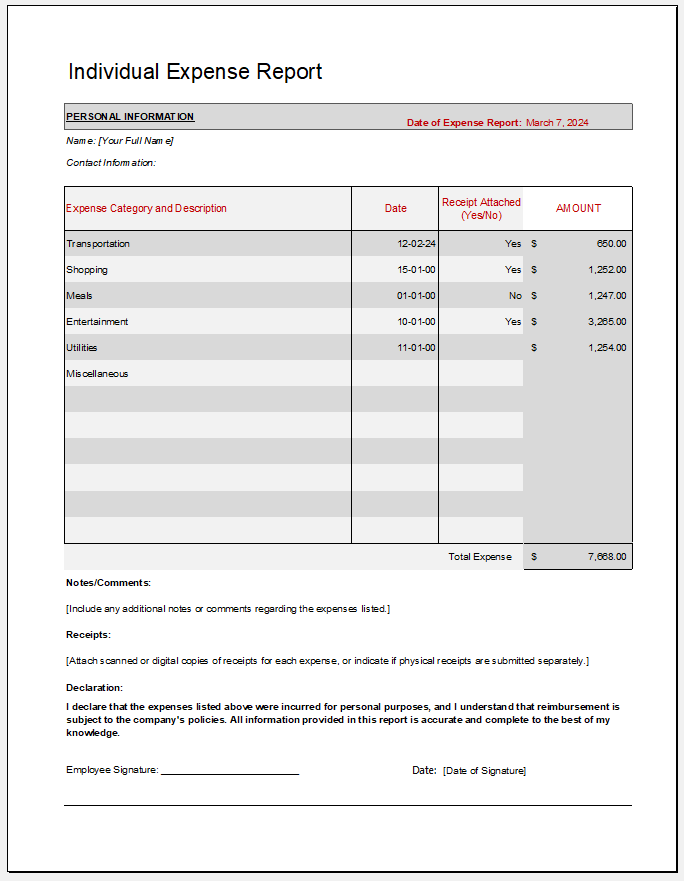
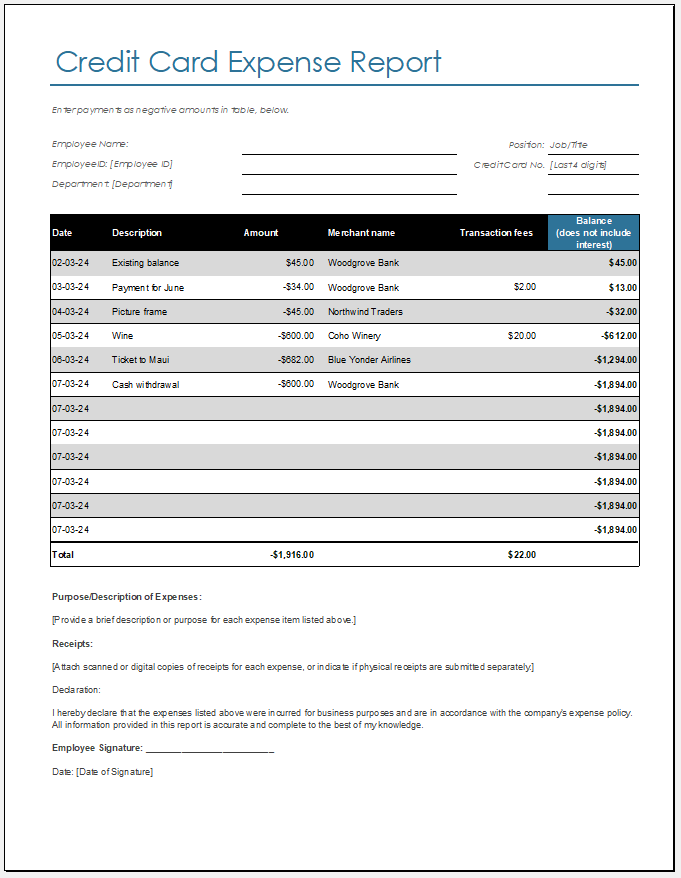
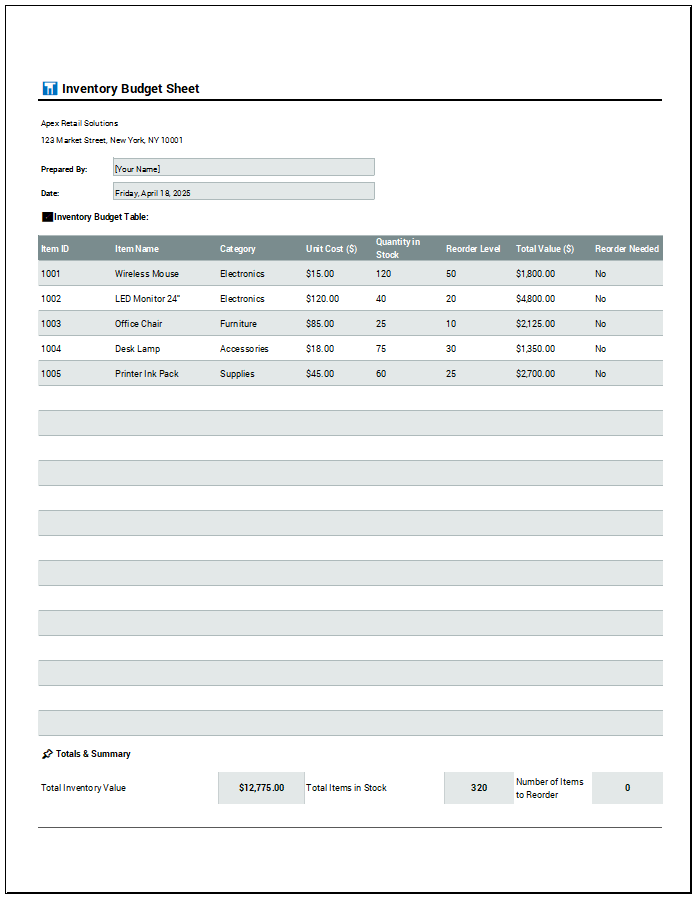
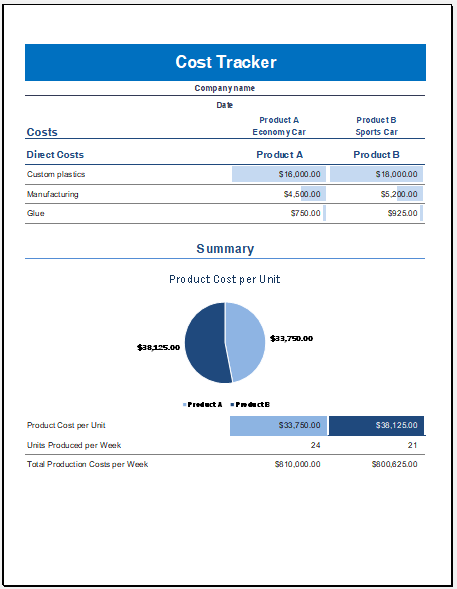
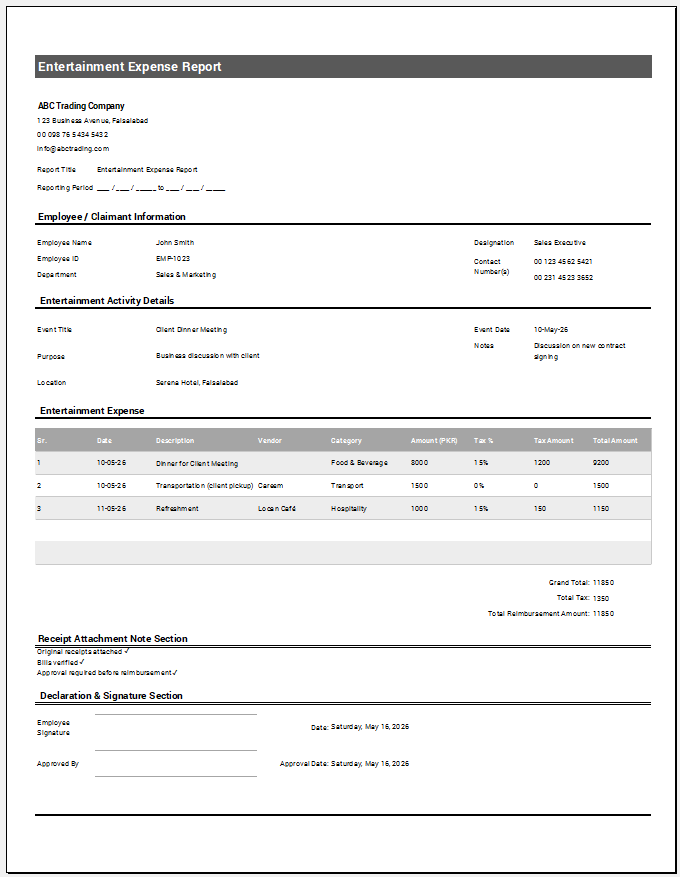
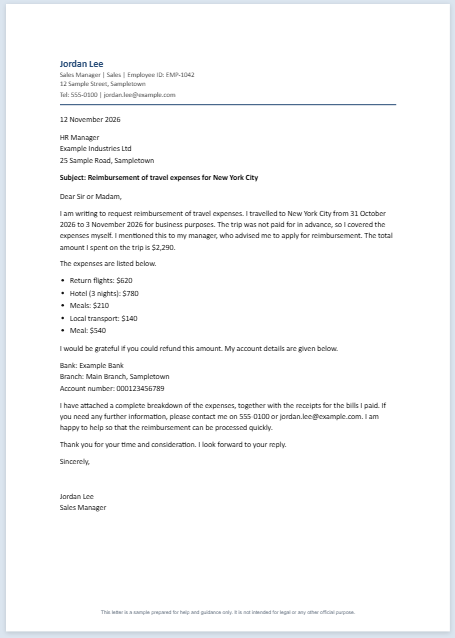
An expense report records costs incurred for business purposes. Employees often prepare one to request reimbursement when they have paid an approved business expense with their own money.
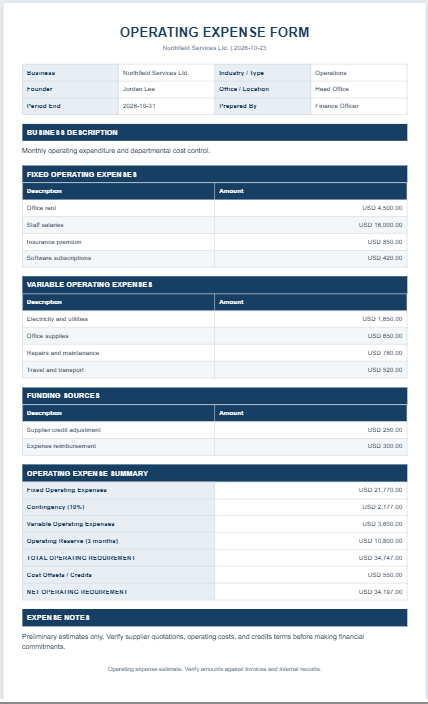
Businesses may also prepare reports to review spending with vendors, whether purchases are paid directly by the company or by an employee. The report helps organize the details needed for review and record-keeping.
What is a Vendor Expense Report?
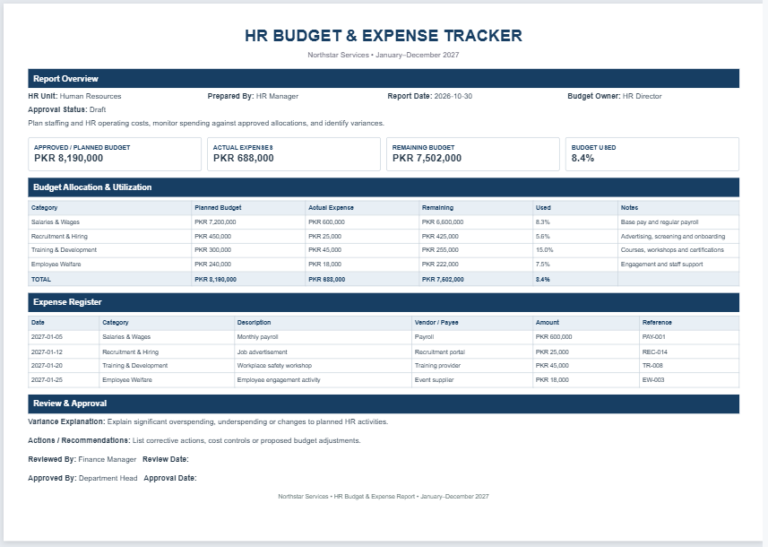
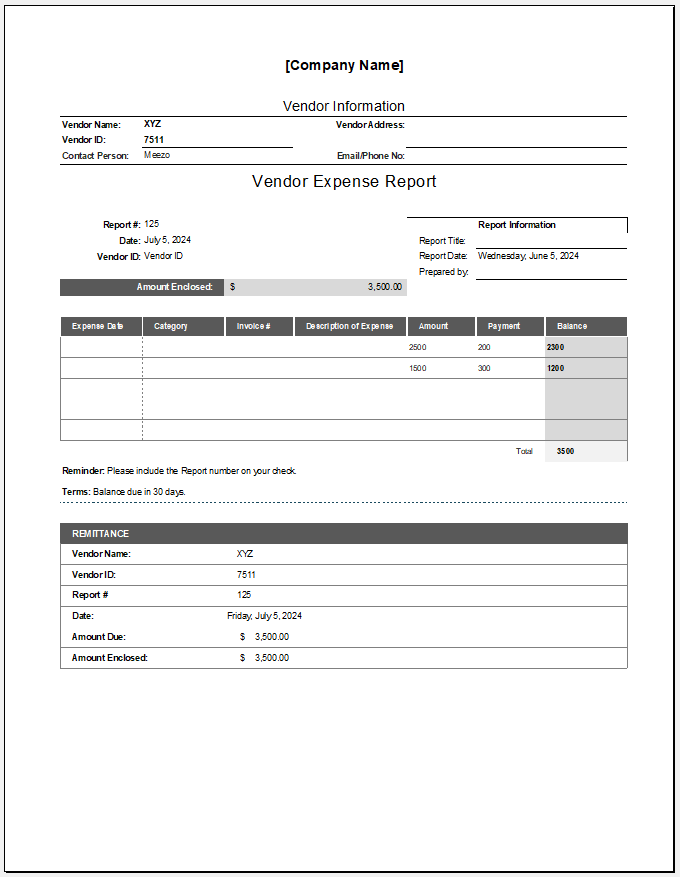
A vendor expense report summarizes purchases or costs associated with one or more suppliers during a specified period. It can include vendor names, items or services purchased, transaction dates, amounts, and payment details.
When an employee has paid a vendor personally, the report may also serve as a reimbursement request. Company-paid transactions should be identified separately so they are not claimed again.
Create your sample report below:
Vendor Expense Report Template
Track vendor invoices, expenses, payment status and budget performance.
Report Details
Vendor Expense Entries
Add invoices and vendor expenses. Expand each record to edit the details.
Budget & Expense Settings
Review & Approval
What Formats are Used for Expense Reports?
Businesses can prepare expense reports using spreadsheets, accounting software, mobile applications, or paper forms. Digital tools may make it easier to attach receipts, perform calculations, and route reports for approval. The appropriate format depends on the organization’s procedures and needs.
What are the Benefits of a Vendor Expense Report?
A vendor expense report gives a business a clearer view of its purchasing costs and provides a record for review.
It Helps You Monitor Spending
Listing purchases by vendor and category helps a business see where money is being spent. Managers can compare actual costs with budgets and identify purchases that may need further review.
It Helps Organize the Process
A consistent report brings transaction details and supporting documents together. This makes it easier for reviewers to check expenses, request clarification, and process approved payments or reimbursements.
How is it Used?
The person preparing the report records each vendor expense and attaches relevant supporting documents, such as receipts or invoices. The report is then submitted through the company’s review and approval process.
If the employee paid an eligible expense personally, the approved amount can be processed for reimbursement. If the company has not yet paid the vendor, the invoice can be handled through the normal accounts payable process.
Reviewers should check the details for accuracy, confirm the payment status, and resolve any discrepancies before approving payment or reimbursement.
Tips for Creating a Vendor Expense Report
Add Relevant Details
Include the reporting period, vendor’s name, requester’s name, department, and employee ID where applicable. Add invoice or transaction references so each expense can be traced to its supporting record.
Record Payment Information
For each transaction, state the date, amount, currency, payment method, and who paid. Indicate whether the expense is unpaid, paid by the company, or paid personally and claimed for reimbursement.
Attach receipts or invoices as required by company policy.
Provide a Breakdown of Expenses
List each item or service separately, including the quantity, unit cost, applicable tax, and line total where relevant. Show subtotals and the overall total at the end of the report.
If the report includes both company-paid and personally paid expenses, show the reimbursement amount separately. Check the figures and supporting documents before submitting the report.
Excel File (.slxs) Size 76 KB