Quarterly Tax Payment Tracker

Taxation is a fundamental responsibility for individuals and businesses in every country. Governments establish tax systems to ensure the collection of revenue required for national development and public welfare. These funds are used to support essential services such as healthcare, education, infrastructure development, public safety, and social welfare programs. Whether you are a salaried individual, freelancer, or business owner, complying with tax regulations is not only a legal obligation but also a civic duty.

In many jurisdictions, tax payments are not limited to an annual schedule. Instead, taxpayers are often required to make quarterly tax payments, especially in the case of self-employed individuals, freelancers, and businesses. This system helps distribute the tax burden throughout the year and ensures a steady flow of revenue for the government. However, managing multiple payments across different quarters can be challenging without proper organization. This is where a Quarterly Tax Payment Tracker becomes extremely useful.

A Quarterly Tax Payment Tracker is a useful document designed to record, monitor, and manage tax obligations on a quarterly basis. It helps individuals and organizations keep a clear record of what taxes are due, how much needs to be paid, and whether payments have been completed. By using this tracker, taxpayers can avoid missed deadlines, penalties, and unnecessary financial stress.

Significance of a Quarterly Tax Payment Tracker

The primary importance of a quarterly tax tracker lies in its ability to bring clarity and organization to tax management. It ensures that users are fully aware of their tax responsibilities throughout the year. Instead of relying on memory or scattered records, the tracker provides a centralized system that shows due amounts, payment dates, and payment status for each quarter.

For businesses, this is especially valuable because tax obligations often vary based on income, expenses, and regulatory requirements. The tracker ensures that all necessary tax categories are recorded and monitored properly.

For individuals, particularly freelancers and independent contractors, it helps in planning finances and setting aside the correct amount for taxes in advance.

Additionally, a well-maintained tracker reduces the risk of late payments. Missing a tax deadline can result in fines, penalties, or legal complications. By clearly highlighting due dates and payment status, the tracker acts as a preventive tool against such issues. It also helps users evaluate their yearly tax performance by providing a complete overview of payments made across all four quarters.

Benefits of a Quarterly Tax Payment Tracker

A Quarterly Tax Payment Tracker offers several practical advantages:

Firstly, it improves financial organization by keeping all tax-related information in one place. Users can easily review their obligations without searching through multiple documents.

Secondly, it ensures timely payments. Since due dates and reminders are clearly listed, users are less likely to miss deadlines.

Thirdly, it provides a payment history record, allowing individuals and businesses to track which taxes have already been paid and which are still pending. This is useful for audits, financial reviews, and long-term planning.

Another major benefit is error reduction. Manual tracking of taxes without a structured system can lead to miscalculations or overlooked payments. A tracker minimizes such risks by presenting data in a clear and organized format.

Lastly, it supports better financial planning. By knowing upcoming tax liabilities in advance, users can manage cash flow more effectively and avoid financial pressure during tax season.

How to Create a Quarterly Tax Payment Tracker

Creating a Quarterly Tax Payment Tracker is a simple but structured process. The first step is to design a clear format. The document should have a professional heading such as “Quarterly Tax Payment Tracker.” It should also include the name of the individual or company and the financial year it covers. This ensures clarity and proper identification.

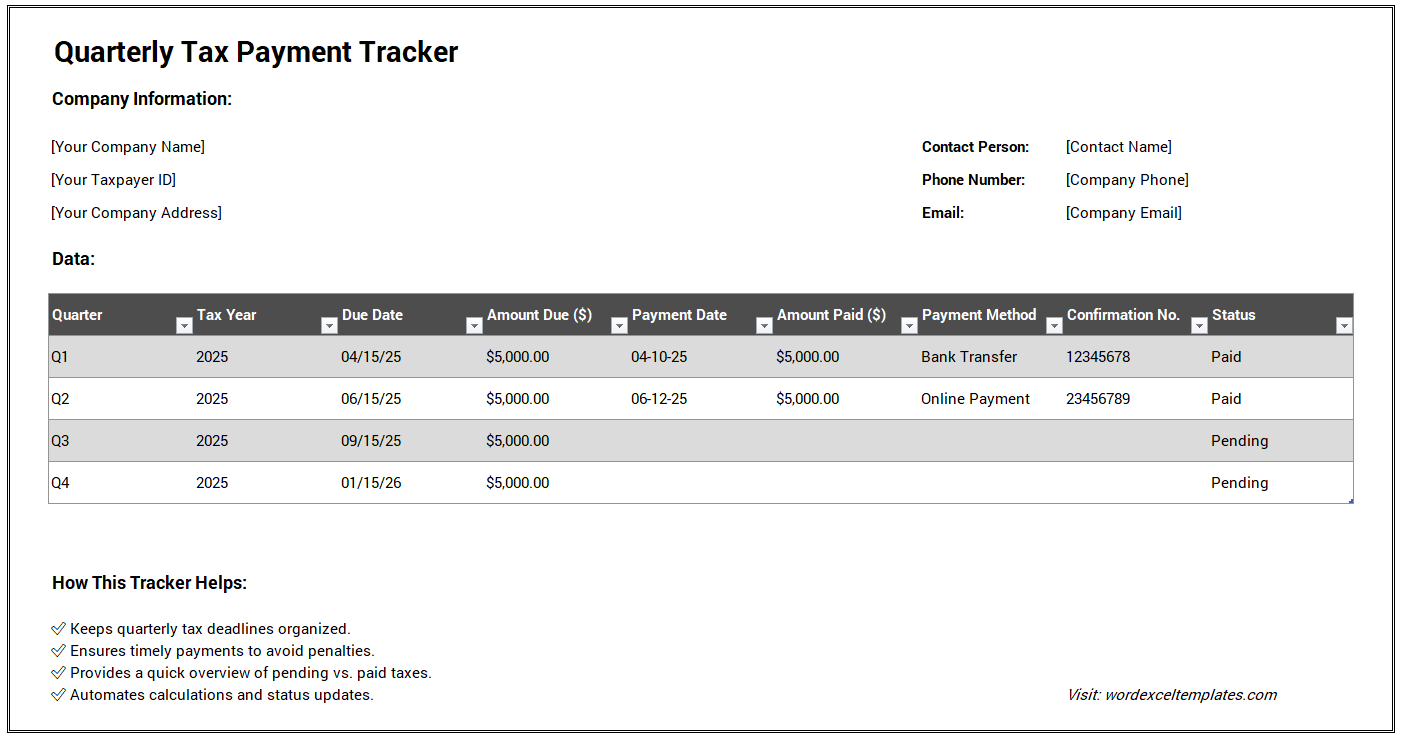
Next, a table should be created to record all relevant details. The table typically includes the following columns:

  • Quarter (Q1, Q2, Q3, Q4)
  • Tax Type/Description
  • Amount Due
  • Due Date
  • Payment Status (Paid/Unpaid)
  • Payment Date (if applicable)
  • Remarks (optional)

Each row represents a specific quarter, making it easy to track progress throughout the year.

The tracker should be kept simple and user-friendly. Overcomplicating the format may lead to confusion and incorrect data entry. Whether created in Excel, Google Sheets, or manually in a register, the focus should be on clarity and ease of use.

Finally

A Quarterly Tax Payment Tracker is an essential financial management tool for anyone responsible for regular tax payments. It not only helps ensure compliance with tax laws but also improves organization, reduces errors, and supports better financial planning. By using such a tracker, individuals and businesses can stay on top of their tax obligations and avoid unnecessary penalties. In today’s fast-paced financial environment, maintaining accurate tax records is not just helpful -it is necessary for long-term stability and compliance.

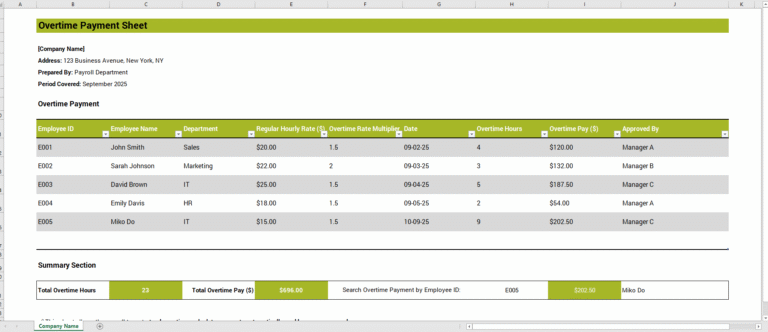
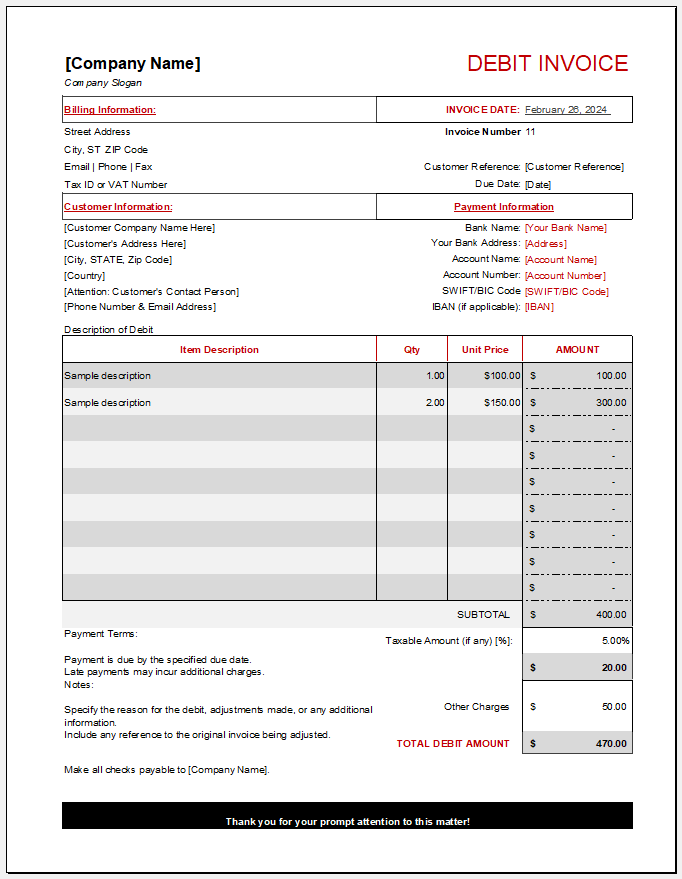
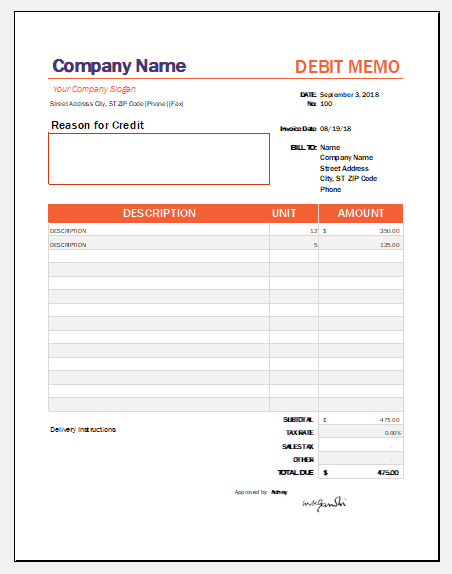
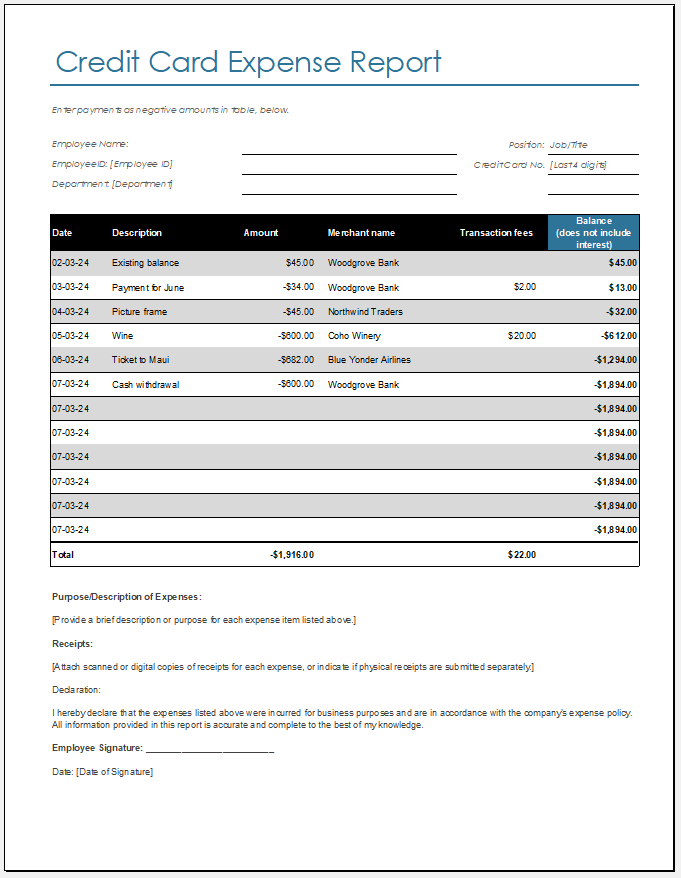
Here we have the sample template for Excel.
Quarterly Tax Payment Tracker for Excel