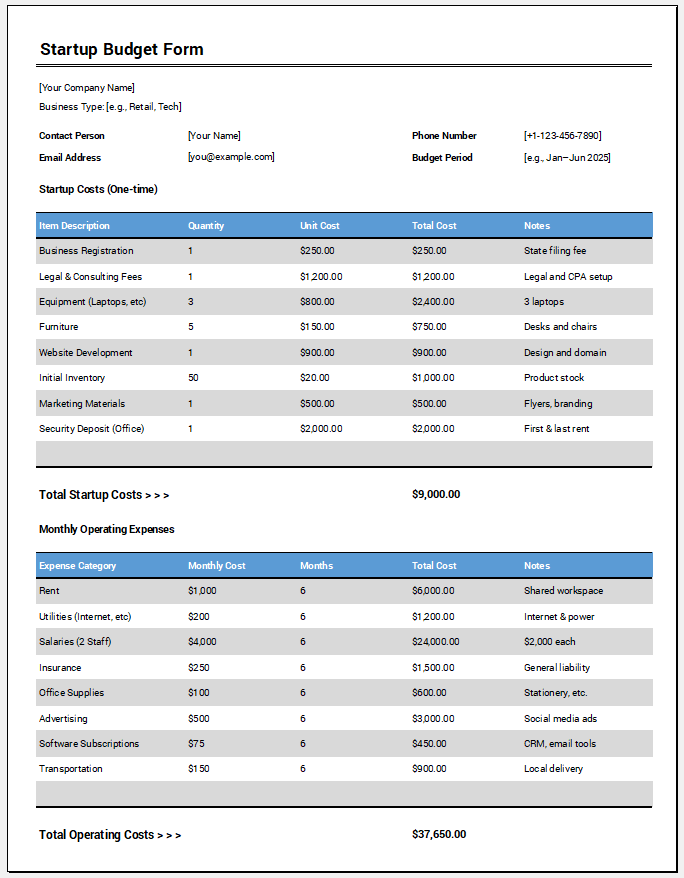
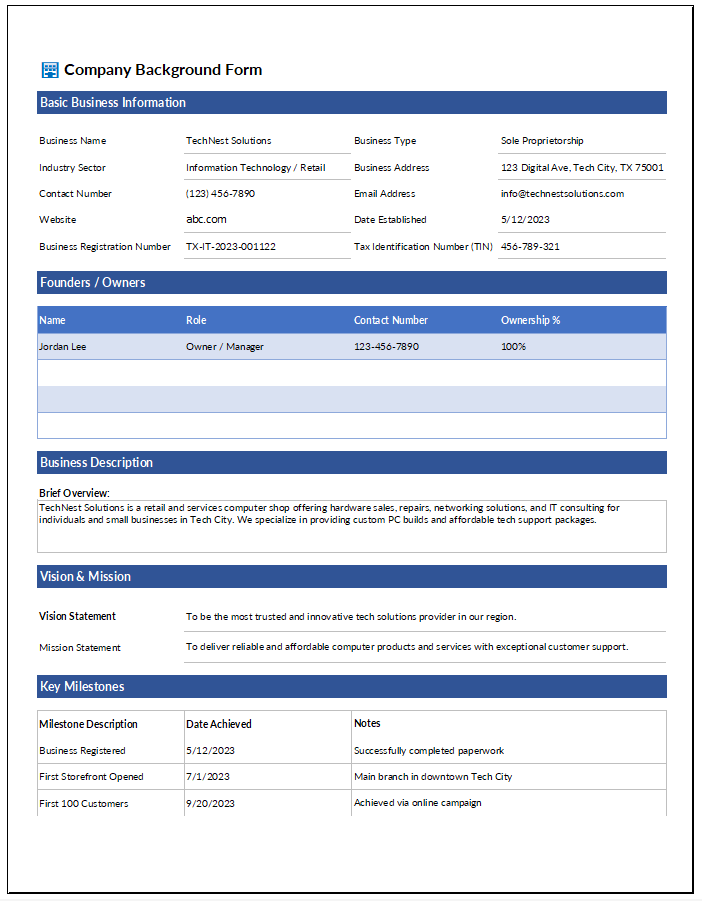
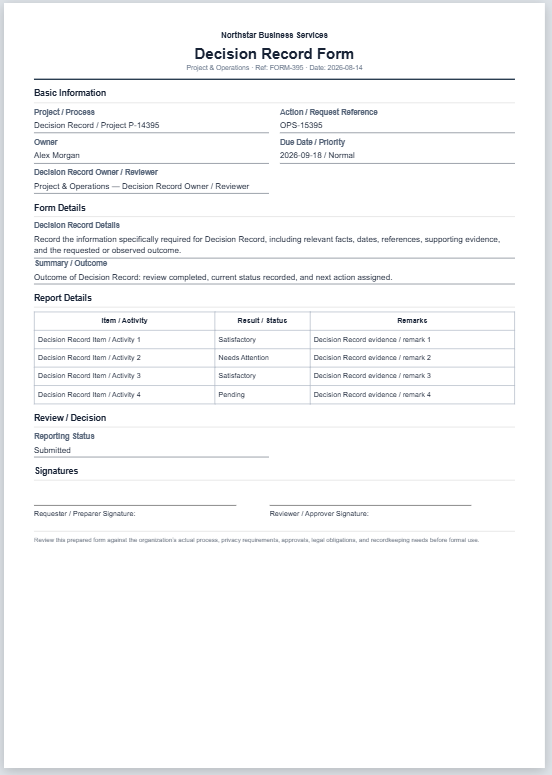
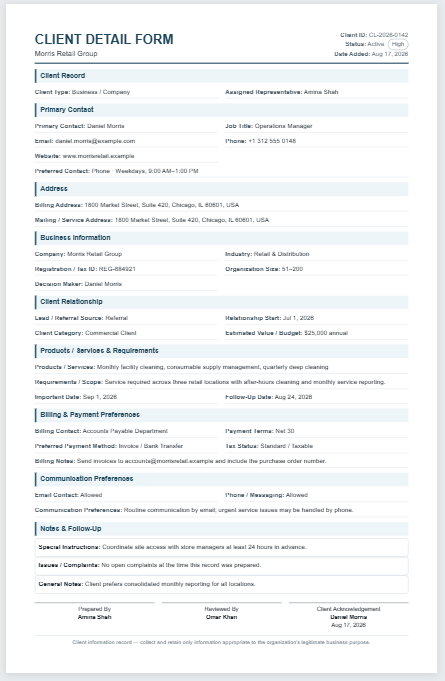
The Startup Capital Requirement Form Generator helps entrepreneurs estimate the total funding needed to launch a new business. It allows users to record one-time startup costs, monthly operating expenses, working capital, emergency reserves, and available funding sources in one organized form. The generator automatically calculates total capital requirements, funding gaps, and financial surpluses, making it easier to prepare realistic business budgets and investment plans.
It also includes sections for business information, assumptions, comments, and signatures, creating a professional record for lenders, investors, or internal planning. This tool simplifies startup financial planning and supports informed decision-making before launching a business
Startup Capital Requirement Form
Estimate startup costs, working capital, emergency fund, contingency, revenue runway, funding gap, and investor-ready capital plan.
Business Information
One-Time Startup Costs
| Expense Item | Category | Estimated Cost | Notes | Remove |
|---|
Monthly Operating Expenses
| Expense Item | Category | Monthly Amount | Notes | Remove |
|---|
Working Capital and Emergency Fund
Funding Sources
| Source Name | Type of Funding | Amount | Notes | Remove |
|---|
Final Capital Summary
Surplus
$0.00Notes and Signatures
Printable Summary
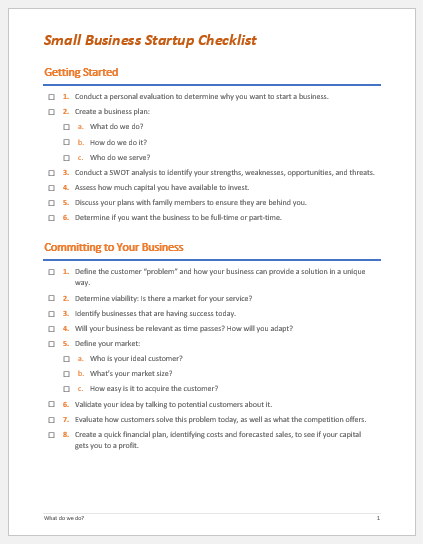
What to Include in a Startup Capital Requirement
A startup capital requirement should account for more than the initial cost of opening a business. It should estimate the funds needed to establish operations and keep the business running during its early stages, when revenue may still be limited or unpredictable.
Common capital requirements include:
- One-time startup costs: Equipment, furniture, licenses, registrations, deposits, initial inventory, website development, and other setup expenses.
- Monthly operating expenses: Rent, utilities, payroll, software, insurance, marketing, transportation, and other recurring costs.
- Working capital: Funds reserved to cover normal operating expenses while the business begins generating sufficient cash flow.
- Emergency reserve: Additional funds available for unexpected expenses or delays in expected revenue.
- Funding sources: Owner investment, partner contributions, loans, investor funding, grants, or other available financing.
- Funding gap or surplus: The difference between the estimated capital requirement and the funding already available.
Estimates should be based on realistic information wherever possible, such as current supplier quotations, rental costs, payroll estimates, licensing fees, and expected operating expenses. Because actual startup costs can change, the capital plan should be reviewed and updated before major financial commitments are made.
How to Estimate Startup Capital More Accurately
A useful startup capital estimate should be based on expected business needs rather than a single rough figure. Begin by separating one-time setup costs from recurring monthly expenses. This makes it easier to understand how much money is required to launch the business and how much is needed to support operations afterward.
When preparing the estimate:
- Obtain current prices or quotations for major equipment, inventory, and services.
- Estimate monthly expenses such as rent, salaries, utilities, marketing, insurance, and software.
- Decide how many months of operating expenses should be covered by working capital.
- Include a reasonable reserve for unexpected costs.
- Record funding that is already available separately from the total capital requirement.
- Review assumptions whenever prices, staffing requirements, premises, or the business plan change.
Avoid deliberately lowering expenses to make the required investment appear smaller. A realistic estimate provides a more useful picture of the business’s funding needs and can help identify a potential financing gap before operations begin.
Understanding Your Startup Capital Results
The calculated total capital requirement represents the estimated amount needed to cover the startup costs, planned operating expenses, working capital, and reserves entered in the form.
Compare this amount with the funding already available from owners, partners, loans, investors, grants, or other sources.
- Funding gap: The estimated capital requirement is greater than the funding currently available.
- Funding surplus: Available funding exceeds the estimated requirement.
- Working capital: Funds intended to support ongoing operations rather than one-time setup purchases.
- Emergency reserve: Additional funds set aside for unexpected costs or changes in initial assumptions.
A calculated funding gap does not automatically mean that additional borrowing is the best option. The business may need to review costs, timing, funding sources, or other assumptions before deciding how to finance the shortfall.
The results are planning estimates based on the information entered and should not be treated as a guarantee of actual startup costs, revenue, financing availability, or business performance.
MS Excel Template
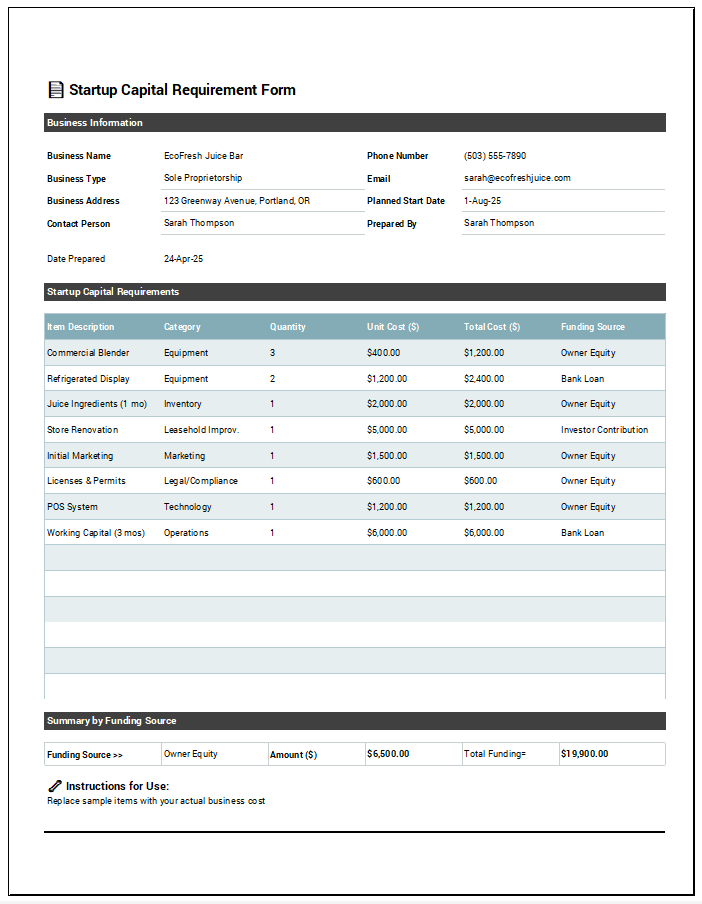
The Startup Capital Requirement Form documents the initial funding needs of a new business, helping entrepreneurs plan, organise, and justify their startup costs.
File: Excel (.xlsx) -Size: 186 KB