A defective product claim form is used to report a problem with a purchased product and document the resolution being requested. It can be used for products that arrive damaged, develop a fault, contain missing or incorrect parts, do not function as expected, or have another identifiable defect.
A claim usually records the customer and product information, purchase details, description of the defect, supporting evidence, and the requested action. Depending on the circumstances, this may involve inspection, repair, replacement, refund, or another resolution offered by the seller or manufacturer.
Before submitting a claim, check the purchase receipt, warranty or guarantee terms, return policy, and any instructions provided by the seller or manufacturer. Available remedies and time limits can vary according to the product, warranty terms, seller policy, and applicable consumer-protection requirements.
The downloadable claim forms below provide different formats for documenting product defects and related requests. Choose the form that best matches the situation and customize it with accurate information about the purchase and defect.
What is a defective product claim form?
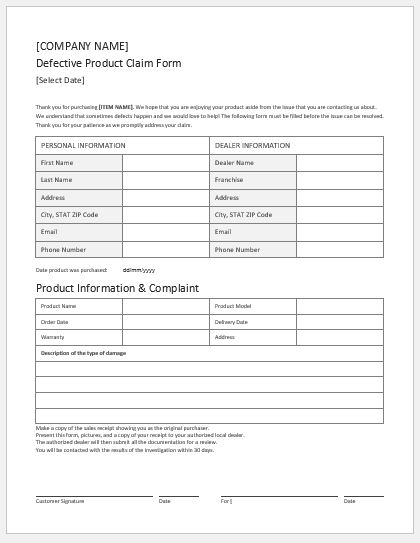
A defective product claim form documents a customer’s report that a purchased product is damaged, faulty, incomplete, malfunctioning, or otherwise not as expected. It provides the seller, supplier, or manufacturer with structured information that can be reviewed when deciding how to handle the claim.
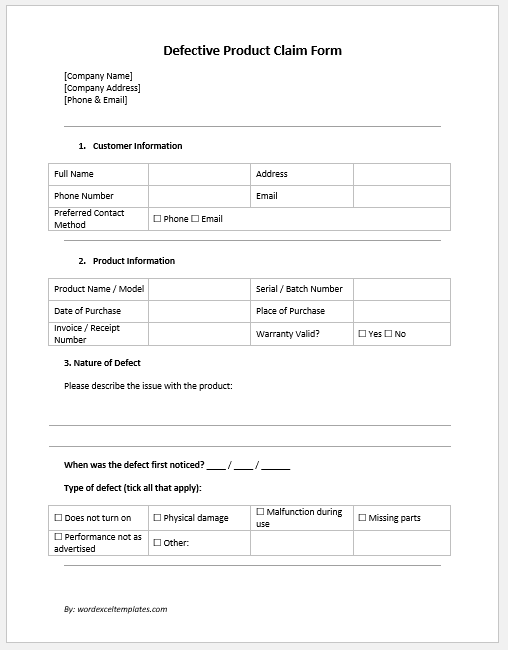
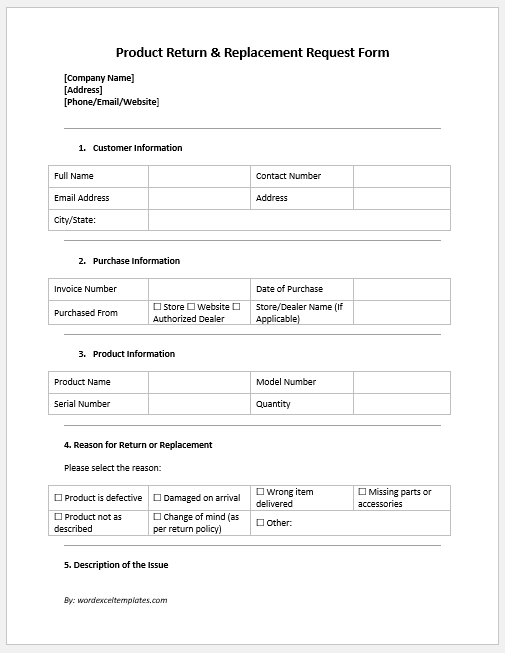
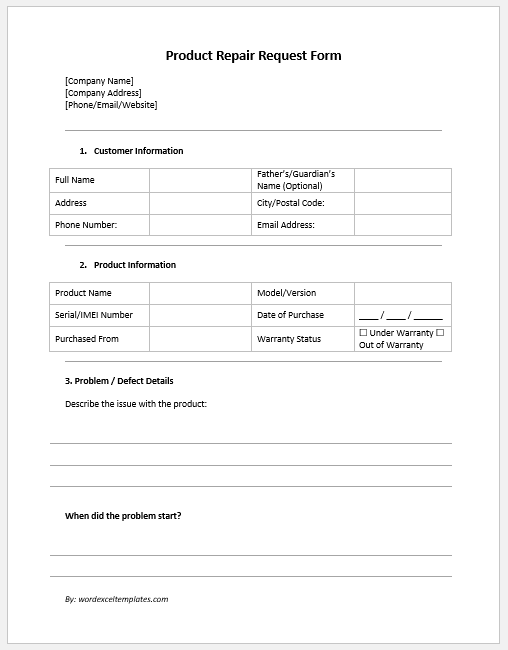
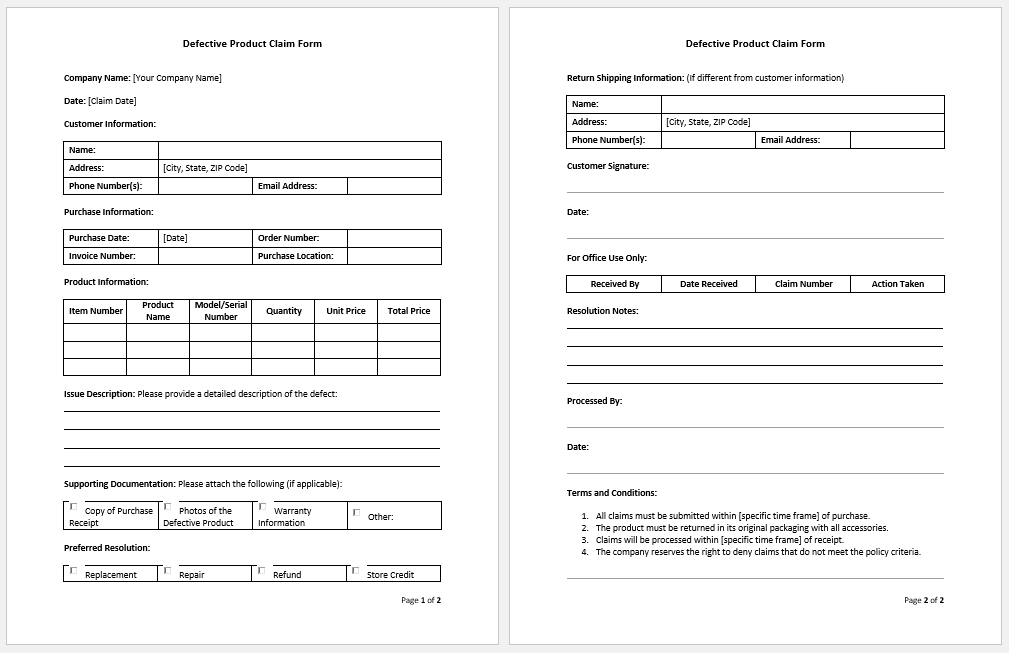
The form commonly records the customer’s details, product name or model, purchase date, order or invoice number, description of the defect, when the problem was discovered, and any supporting evidence such as photographs, receipts, or warranty information.
The customer may also indicate the resolution being requested, such as inspection, repair, replacement, refund, or another available remedy. The final outcome will depend on the circumstances of the claim, applicable policies or warranty terms, and any relevant consumer-protection requirements.
A few samples are provided below.
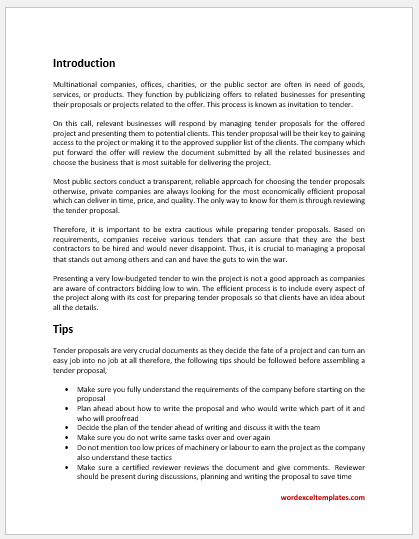
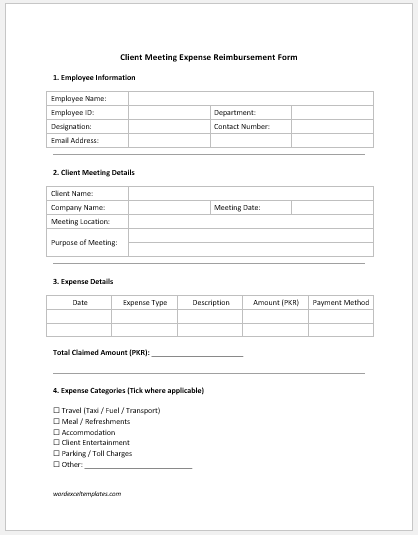
#1
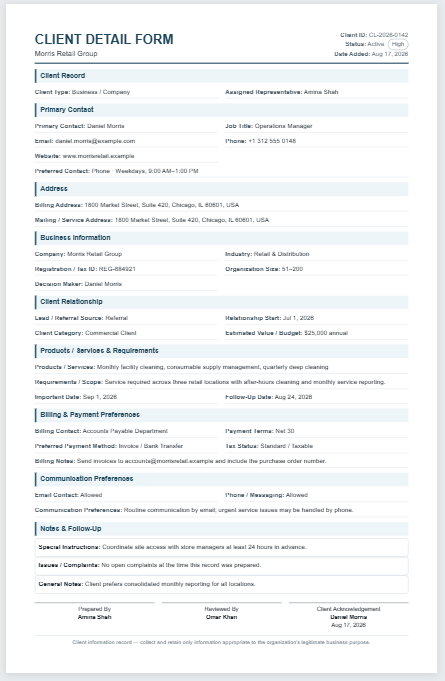
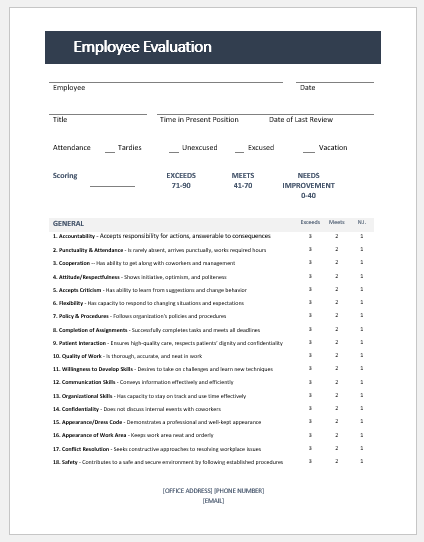
#2
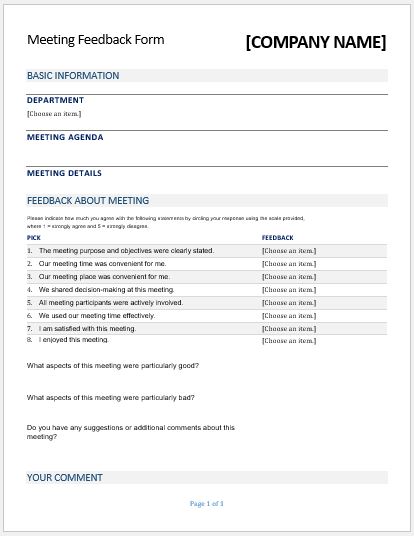
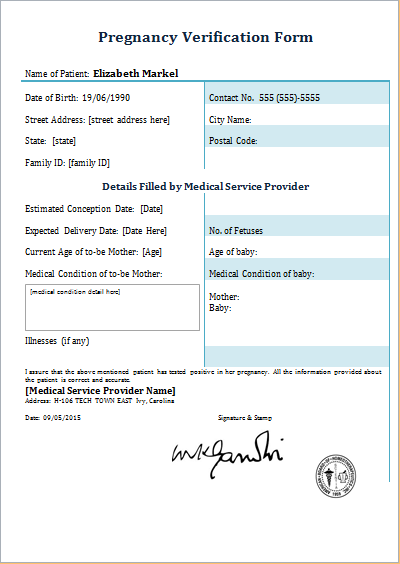
#3
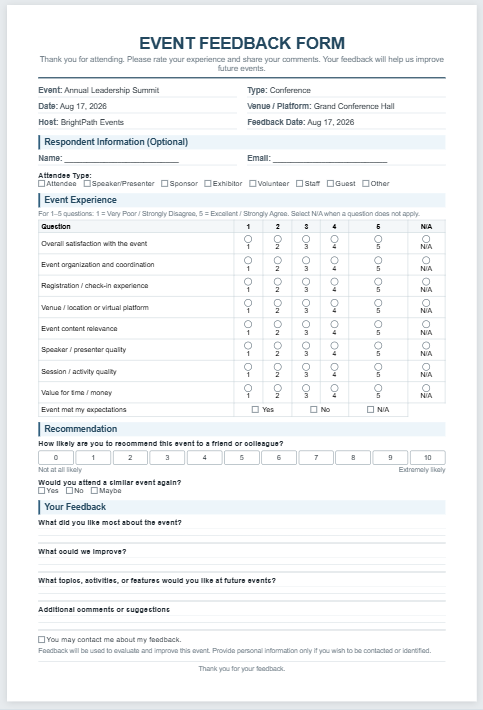
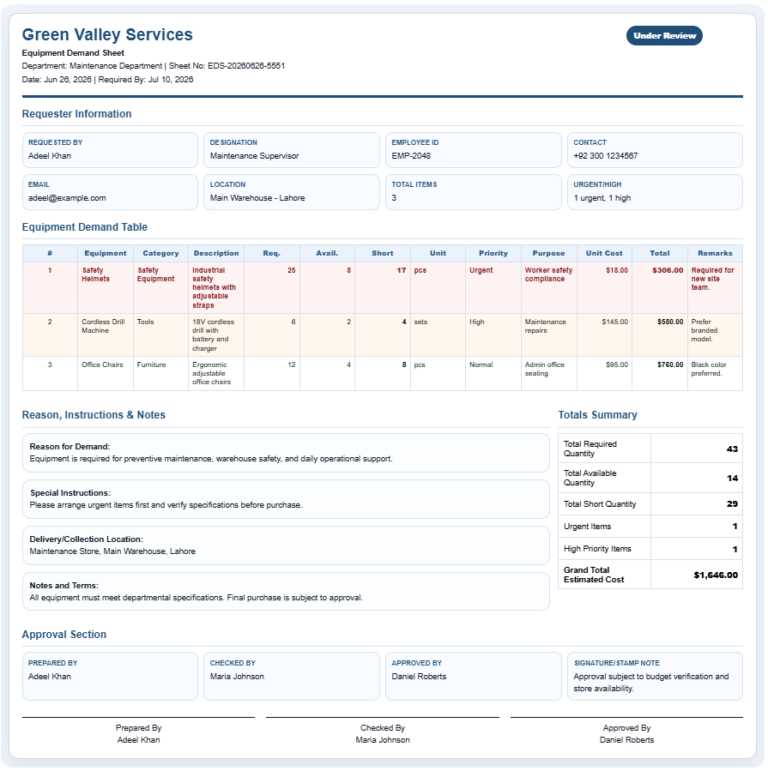
#4

What to Include in a Defective Product Claim
A defective product claim should provide enough information for the seller, supplier, or manufacturer to identify the purchase and assess the reported problem. Depending on the situation, include:
- Customer details: Name, contact information, and address where relevant.
- Purchase information: Purchase date, order or invoice number, seller, and proof of purchase.
- Product details: Product name, model, serial number, quantity, or other identifying information.
- Description of the defect: Explain what is wrong, when the problem was discovered, and how it affects the product.
- Supporting evidence: Attach photographs, videos, receipts, warranty documents, or other relevant evidence where appropriate.
- Requested resolution: State whether you are requesting an inspection, repair, replacement, refund, or another available remedy.
Describe the problem accurately and avoid altering or repairing the product before submitting the claim if doing so could affect the warranty or assessment process. Keep a copy of the completed claim and any supporting documents for your records.
The requested resolution is not automatically guaranteed. The outcome may depend on the product condition, evidence provided, warranty or guarantee terms, seller policy, and applicable consumer-protection requirements.
Preview and Details of Template
File: Word (.docx)
Size 539 KB