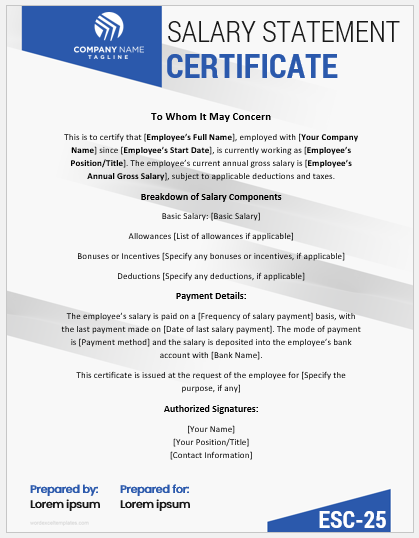
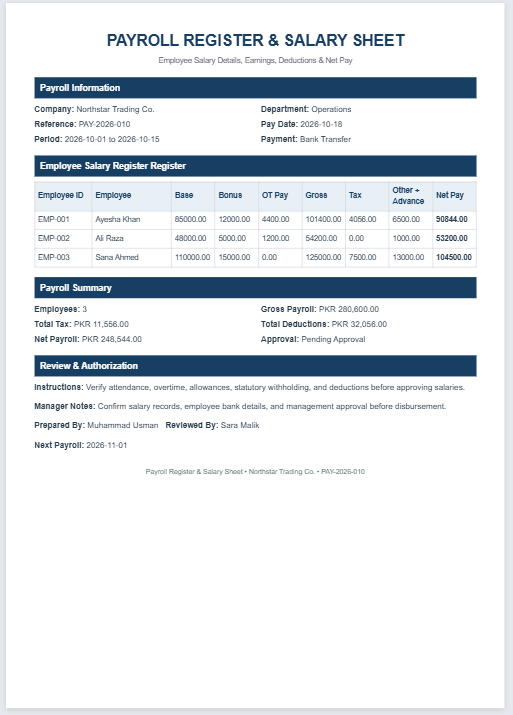
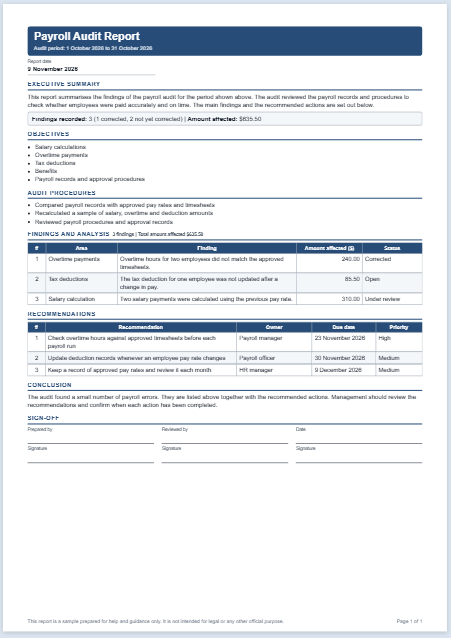
A pay scale is a structured system used by organizations to set salary ranges for different roles or job grades. An employee’s position within a range may depend on relevant experience, skills, qualifications, and performance, according to the organization’s compensation policy. A well-designed pay structure supports fairness, consistency, and clarity in compensation decisions.
A pay scale structure sheet helps organizations document and manage these salary ranges. It provides a reference for recruitment, salary reviews, promotions, and budgeting.
The sheet also helps management compare pay levels across roles and identify differences that may require review. Its effectiveness depends on how roles are evaluated, ranges are established, and pay decisions are applied.
What is a Pay Scale Structure Sheet?
A pay scale structure sheet is a document that outlines an organization’s salary framework. It shows the pay ranges assigned to different job titles or grades.
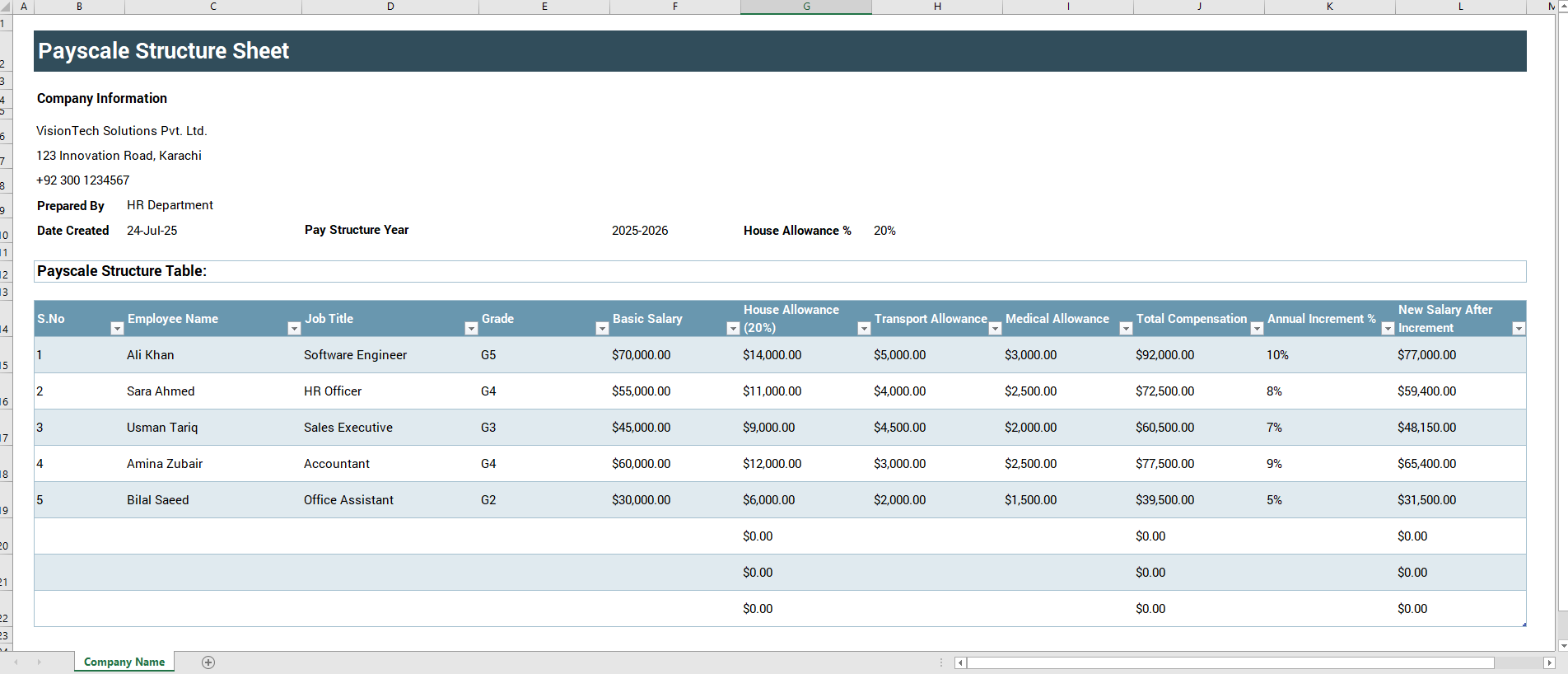
The sheet typically includes job positions, grade levels, and corresponding salary ranges: minimum, midpoint, and maximum. It should also specify the currency, pay frequency, and whether the figures represent base salary or another measure of compensation.
Departments, job families, and location-specific ranges may be included where relevant. Individual employee salaries and performance records can be maintained separately from the general pay structure.
Create your template below:
Payscale Structure Sheet
Define salary grades, minimum/midpoint/maximum pay bands, and grade progression.
Salary Structure Details
Salary Grades & Pay Bands
Expand a grade to edit its salary band, progression and eligibility.
Compensation Policy
Review & Export
Review salary grades, pay band widths, and compensation policy.
Advantages of a Pay Scale Structure Sheet
A well-prepared pay scale structure sheet offers several benefits:
- It provides a consistent reference for setting and reviewing salaries.
- It helps explain the relationship between job grades and salary ranges.
- It supports more transparent compensation policies when the structure is communicated clearly.
- It provides a record of approved ranges and their effective dates.
- It helps identify pay differences that warrant further assessment.
- It helps organizations plan budgets and assess the cost of proposed salary changes.
Without a clear framework, salary decisions may be applied inconsistently. However, a documented structure still needs regular review and careful implementation to support fair outcomes.
How to Create a Pay Scale Structure Sheet
Creating a pay scale structure sheet requires clear job classifications, reliable salary information, and an agreed approach to compensation.
1. Include Relevant Details
Start with a clear title, such as “Pay Scale Structure Sheet.” Add the company name, effective date, version number, currency, and pay frequency. Identify who prepared and approved the structure where useful.
2. Evaluate Roles and Establish Grades
Review job responsibilities, required skills, decision-making authority, and other relevant factors. Group roles into grades using consistent criteria, and use suitable market data to inform salary ranges. Record the basis for significant decisions.
3. Design a Structured Table
Organize the table by grade or job family so related roles are easy to compare.
Common columns include:
- Job title or position
- Grade level
- Minimum salary
- Midpoint salary
- Maximum salary
- Department or job family, where relevant
- Location, if ranges differ geographically
- Notes or remarks
Check that each range follows a consistent approach. State how the midpoint is determined and whether allowances, bonuses, and benefits are included or recorded separately.
Practical Tips
Use a Suitable Tool
Microsoft Excel or Google Sheets can help organize ranges, perform calculations, and maintain a consistent layout. Check formulas and clearly distinguish entered figures from calculated values.
Keep It Simple and Clear
Avoid unnecessary complexity. The sheet should be easy to read, update, and understand. Use consistent labels and explain any abbreviations or special arrangements.
Verify the Information
Check salary figures, job classifications, and supporting data before approving the structure. A spreadsheet alone does not establish that compensation decisions meet every applicable requirement.
Review the Structure Periodically
Review ranges against relevant market information, internal pay relationships, organizational needs, and available funding. Document approved changes and their effective dates.
Using the Sheet Effectively
A pay scale structure sheet provides a framework for consistent compensation decisions. Clear guidance on starting salaries, progression, promotions, and exceptions helps managers apply that framework appropriately.
Researching comparable roles and evaluating internal responsibilities carefully can make the structure more useful. Communicating the approach clearly also helps employees understand how salary decisions are made.
About Our Template
Our Pay Scale Structure Sheet Template provides a ready-to-use format for recording job titles, grades, and salary ranges.
The template is fully editable in Microsoft Excel, so you can adapt its fields and layout to your organization’s compensation framework. Keep the information current and review entries and calculations before using it to support salary decisions.