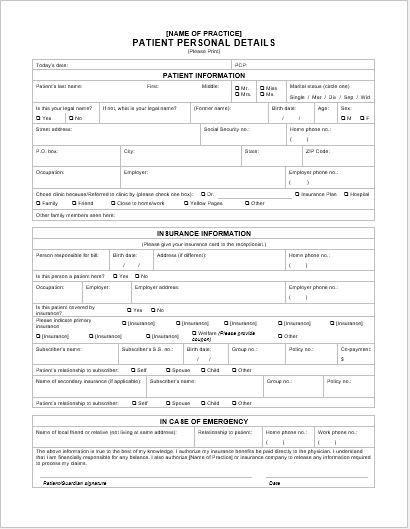
Patient notes are commonly used in hospitals and clinics to document a patient’s health, care, and treatment. These notes may include the patient’s current condition, relevant medical history, examination findings, treatment plans, and advice about daily activities or follow-up care.
Healthcare professionals use patient notes to record important information during admission, outpatient appointments, and ongoing treatment. Clear, organized notes help the care team understand the patient’s condition and review changes over time.
The format of patient notes varies according to the healthcare setting, the type of consultation, and the organization’s documentation requirements. A consistent structure helps make the information easier to find and understand. Common details include patient identification, the date and time, reported symptoms, clinical observations, assessments, care plans, and the author’s name and role.
A patient note should be based on accurate, factual information that supports appropriate care. Distinguish between what the patient reports, what the healthcare professional observes, and any clinical assessment. Keep entries relevant and concise while including enough detail to explain the care provided and the reasons for important decisions.
Record treatments, medications, and instructions carefully, as other healthcare professionals may rely on this information when providing care. Any corrections or updates should follow the organization’s documentation procedures.
(Create patient note below)
Patient Note
Prepare a structured clinical encounter note for review and signature by a qualified clinician.
Patient & Encounter
Subjective & Objective
Assessment & Plan
Add individual clinical concerns with their associated plans.
Review & Sign-off
Confirm accuracy before signing. This form does not provide diagnosis or medical advice.
Whether handwritten or electronic, patient notes should be clear, legible, and easy for the intended readers to understand. A template can help organize the information, but it should be completed by an appropriate healthcare professional and adapted to the patient’s circumstances. Completed notes should be stored securely and accessed only by authorized individuals.