Many people keep pets for companionship and the comfort they bring. Caring for a pet also involves ongoing responsibilities, including providing suitable food, housing, exercise, and healthcare. Cats, dogs, birds, and turtles are common pets, but preferences vary among owners. Each species has different care needs, and keeping track of appointments, treatments, and daily routines can be challenging.
A pet health log is a useful tool for recording health information and care activities. It helps owners track changes over time and share relevant details with a veterinarian.
Pets cannot describe their symptoms in words, so owners need to pay attention to changes in appetite, behavior, movement, and appearance. A health log provides a place to record these observations alongside feeding, grooming, and treatment details.
These logs can help owners keep track of the following:
- The pet’s diet and any veterinary feeding recommendations
- Medications and supplements, where prescribed or recommended
- Grooming and hygiene routines
- Suitable exercise, play, and enrichment activities
- Veterinary appointments and follow-up instructions
The activities recorded should reflect the pet’s species, age, health, and individual needs.
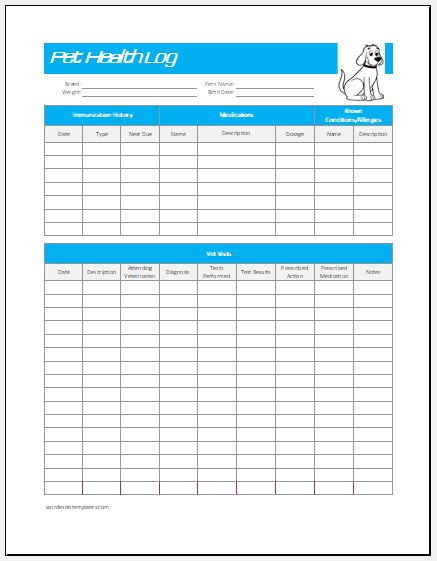
Sample Log:
Pet Health Log
Track one pet's veterinary visits, treatments, vaccinations, and health observations.
Pet & Owner Details
Health Entries
Record checkups, vaccinations, medications, symptoms and treatments. Newly added entries open automatically.
Care Plan & Dates
Review & Notes
Basic Components of a Pet Health Log
The Pet Health Log Generator helps pet owners organize essential health information, including:
1. Pet Information: Enter the pet’s name, species, breed, date of birth, weight, and owner’s contact details. Include veterinarian information, emergency contacts, and known allergies.
2. Medical History: Record veterinary visits, illnesses, symptoms, vaccinations, treatments, and other important health events. Add relevant dates and notes to maintain a clear medical history.
3. Medications and Treatments: Keep track of prescribed medications, treatments, and care instructions. Record follow-up dates and observations to help manage ongoing health concerns.
4. Veterinary Visits: Document appointment dates, reasons for visits, treatments received, and associated expenses. Maintain a record of previous consultations and upcoming checkups.
5. Care Plan: Add scheduled health checkups, ongoing care instructions, and important reminders to support the pet’s daily well-being.
6. Health Summary: Review recorded health entries, vaccinations, wellness checks, and total veterinary expenses. Download the completed log in Excel format or print it for future reference.
Preview and Details of MS Excel Template
File: Excel (.xls)
Size: 40 KB