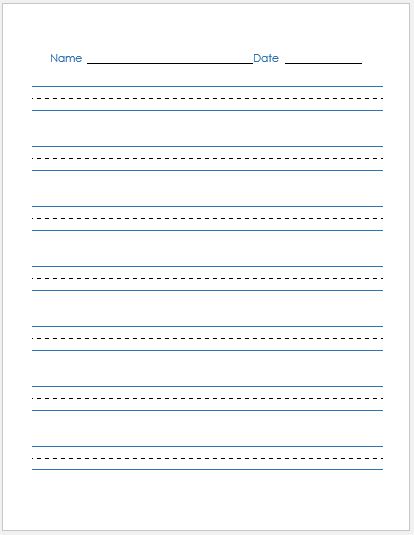
Beadwork layout paper, sometimes called beading graph paper, is a useful tool for planning and designing intricate beading patterns. It helps users map out bead placement and color choices before beginning the beadwork. Designers, crafters, and artists use it to develop and refine their patterns.
Beadwork layout paper is available in different sizes, paper weights, and grid styles. Choosing a grid suited to the beading technique helps represent how the beads will fit together. Planning the pattern and color palette can make the beading process more organized.
Beadwork layout paper acts as a blueprint, allowing artisans and crafters to experiment with colors and bead arrangements before assembling the piece. Designs can be revised on paper before committing time and materials to them. Although beadwork can sometimes be altered, removing and replacing beads may be time-consuming. A planned design provides a useful reference during construction.
(Create beadwork layout paper below.)
Beadwork Layout Papers
Create bead-pattern graph paper and color individual beads.
Pattern Details
Graph Paper Settings
Changing rows or columns preserves colored beads inside the remaining grid.
Color & Pattern Editor
Choose a color, then click or drag across beads in the live preview. Use Eraser to remove color.
Color Legend
Review & Print
Beadwork layout paper may have the following features:
- Paper quality: The paper’s weight and finish affect how well it handles drawing, coloring, and erasing. Choose paper suitable for the pencils or markers you intend to use.
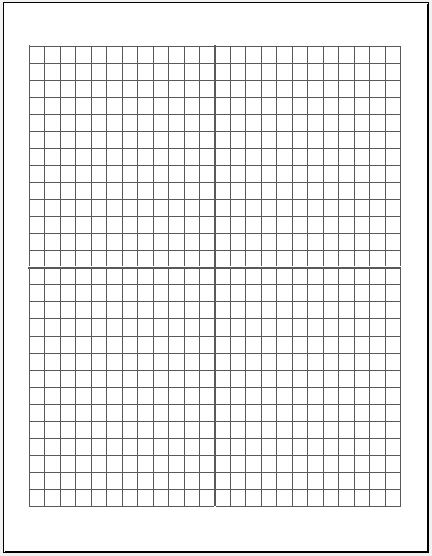
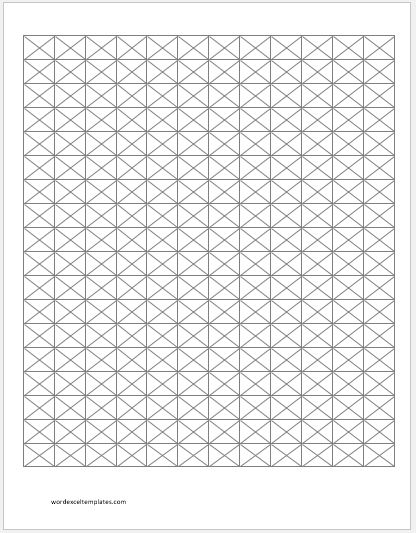
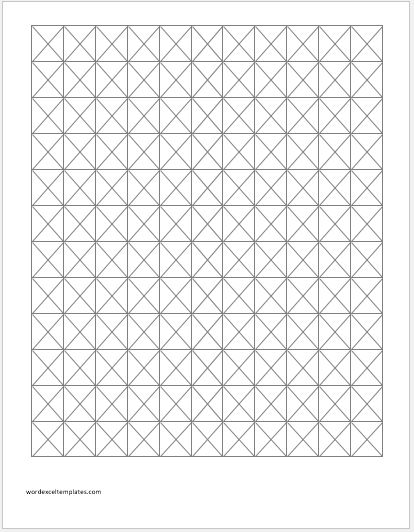
- Grid patterns: Grids help users position beads, repeat motifs, and plan symmetrical designs. Different grid arrangements can represent techniques such as loom weaving, peyote stitch, or brick stitch.
- Transparency: Some layout papers are translucent, allowing designs to be traced or compared. However, many printable beading grids use ordinary, opaque paper.
- Sizes: Different page sizes and grid scales can accommodate projects ranging from small jewelry designs to larger decorative pieces.
Beadwork layout paper offers several benefits:
- It allows designers and crafters to plan their work and test ideas before using beads.
- Patterns can be revised by changing individual elements, color schemes, or repeat arrangements.
- It provides a visual preview of the proposed design.
- Planning can help identify alignment issues and reduce mistakes, although it does not guarantee an error-free result.
- The completed pattern serves as a reference while beading.
A typical planning and beading process includes the following steps:
- Choose a grid that matches your beading technique and bead proportions.
- Sketch the design using pencils or suitable drawing tools.
- Experiment with shapes, repeating patterns, and color combinations.
- Finalize the pattern and add a color key or notes where helpful.
- Use the completed layout as a guide while assembling the beadwork, checking your progress against the pattern.

File: Word (.doc) 2007/+
Size: 1MB

File: Word (.doc) 2007/+
Size: 1MB

File: Word (.doc) 2007/+
Size: 1MB