Counseling and guidance are available at many educational institutions to support students with academic challenges, personal concerns, and career decisions. Sessions provide a supportive setting in which students can discuss their needs and explore possible ways forward.
The sessions aim to promote students’ overall well-being and personal development by helping them build coping strategies, set goals, manage stress, and make informed decisions.
A counseling and guidance record helps school counselors document sessions, agreed goals, action plans, and follow-up arrangements.
Maintaining clear records supports continuity between sessions. The counselor can review previous discussions, track progress, and identify outstanding actions. Access to these records should be limited to authorized individuals with a legitimate need for the information.
The document typically includes the student’s identifying details, session date and time, relevant discussion points, agreed actions, and follow-up plans. It also identifies the counselor responsible for the session.
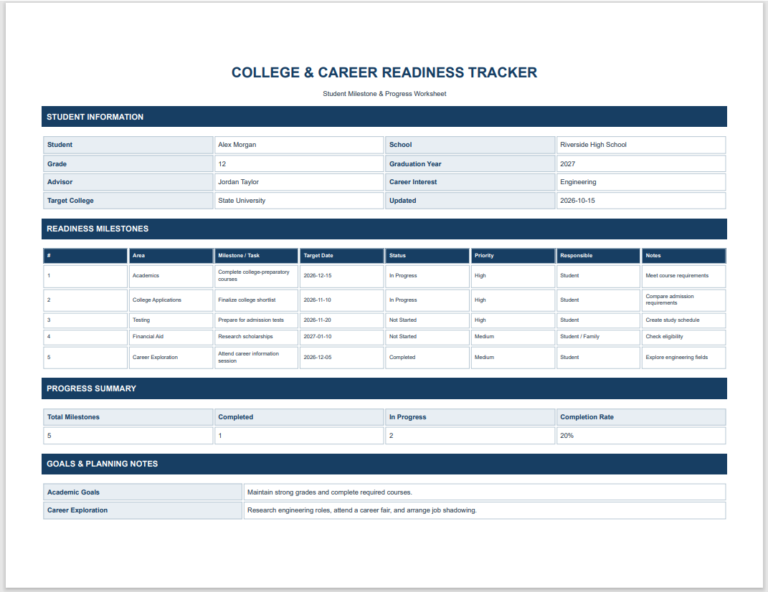
Counselling & Guidance Record Sheet
Document guidance sessions, agreed actions, and follow-up while limiting sensitive information.
Record Details
Individual & Session
Guidance & Action Plan
Review & Sign-off
The following are some benefits of a counseling and guidance record:
- It provides an organized record of sessions and their dates.
- It helps the counselor review relevant information before future meetings.
- It records agreed goals, actions, and progress.
- It supports appropriate coordination with others involved in the student’s care or education, while respecting confidentiality.
Some limitations should also be considered:
- Completing and updating records takes time.
- Excessive detail can make important information difficult to find.
- Incomplete, unclear, or inaccurate notes may affect the usefulness of the record.
- Sensitive information requires careful handling and secure storage.
How to Create a Counseling and Guidance Record?
Use a clear structure that captures relevant information without collecting unnecessary personal details. The following sections can help:
Student Details
Include the student’s name or identifier, class, and the record’s reference number. Record parent or guardian contact details only where needed, or refer to the school’s existing contact records.
Session Details
Record the session date, start and end times, and the counselor’s name. Include the type of guidance provided and a brief description of the concern discussed.
Keep notes factual and relevant, distinguishing the student’s account from the counselor’s observations. Record agreed goals, actions, the person responsible for each action, and any planned review date.
Include space for referrals, further sessions, and follow-up outcomes where appropriate.
Counselor Details
Provide the counselor’s name, role, and signature or approved electronic confirmation, along with the date the entry was completed.
Ease of Use
Use clear headings and provide enough space for concise notes. Avoid unnecessary fields and use consistent wording so the record is easy to complete and review.
Confidentiality and Access
Keep completed records secure and follow the institution’s procedures for access, information sharing, and retention. Do not assume that all session details should be available to school staff, parents, or guardians. Record relevant information-sharing decisions where appropriate.
Conclusion
School counselors support students with a range of personal, academic, and career-related concerns. A counseling and guidance record helps them maintain continuity, review progress, and follow up on agreed actions.
Used carefully, the record provides a practical reference for future sessions and appropriate coordination. Its value depends on accurate, relevant notes and responsible handling of the information.