A Tenderer Information Sheet is an essential document used in procurement and bidding processes to collect and present important details about a bidder. It helps the tendering authority evaluate the suitability, credibility, and compliance of each tenderer in a fair and transparent manner. To support users, we have also created ready-to-use Tenderer Information Sheet templates that simplify this process and ensure all required information is properly documented.
Purpose of a Tenderer Information Sheet
The primary purpose of a Tenderer Information Sheet is to provide a structured format for collecting relevant information about bidders. It helps procurement authorities evaluate the qualifications and reliability of each tenderer while maintaining consistency throughout the tender process.
In some cases, regulatory bodies such as the Information Commissioner may oversee matters related to transparency and information handling during procurement procedures. The sheet also helps reduce misunderstandings and disputes by clearly outlining the expectations, obligations, and general principles associated with the tender agreement.
The information and requirements included in the sheet may vary depending on the nature of the project, applicable laws, organizational policies, and the specific conditions of the tender.
Conditions for Tender
Tender processes are governed by specific conditions that all participating tenderers must follow. This section outlines the rules and requirements related to the submission, handling, and evaluation of bids.
One important aspect covered in this section is information disclosure. The sheet clarifies which information may be disclosed publicly and which information must remain confidential. Generally:
- Tenderers are required to keep certain information confidential.
- Relevant information must still be disclosed to the governing or tendering authority.
- The tendering authority has the right to determine which information qualifies for confidentiality.
These conditions help maintain transparency while protecting sensitive business information where appropriate.
Information Not Usually Exempt from Disclosure
Certain types of information included in tender documents are generally not considered exempt from disclosure. These may include:
- Total prices of goods or services offered
- Detailed pricing or cost breakdowns
- Information required to meet legal or regulatory obligations
- Information already available in the public domain
However, tenderers may request confidentiality exemptions for specific information if valid justification is provided. The final decision regarding disclosure or exemption remains with the tendering authority.
Commercially Sensitive Information
Some information submitted by tenderers is commercially sensitive and requires careful handling. This may include:
- Proprietary business strategies or trade secrets
- Unique methods, systems, or technologies
- Competitive advantages or specialized expertise
- Confidential customer information or niche market insights
Such information can hold substantial business value, and unauthorized disclosure may negatively affect the tenderer’s competitive position. For this reason, commercially sensitive information is often treated with a higher level of confidentiality.
Nature of Information Included
A Tenderer Information Sheet typically contains a combination of general business information and project-specific details. While some information may be routine, other details provide valuable insight into the tenderer’s experience, qualifications, and operational capability.
Typical information may include:
- Company profile and background
- Experience and completed projects
- Organizational structure
- Financial and operational details
- Key personnel information
- Licenses, certifications, or registrations
Even standard business information plays an important role in helping procurement authorities make informed and fair evaluations.
Business Affairs and Disclosure Considerations
Most information provided in the sheet relates to the business operations and affairs of the tenderer. In some situations, certain details may qualify for confidentiality protection, especially if disclosure could negatively impact the business.
However, not all business-related information is automatically considered confidential. Disclosure decisions are generally based on:
- The nature and importance of the information
- The potential impact of disclosure on the business
- The relevance of the information to the evaluation process
- Legal or regulatory disclosure requirements
Maintaining a balance between transparency and confidentiality is important for ensuring fairness while protecting legitimate business interests.
Ready-to-Use Templates
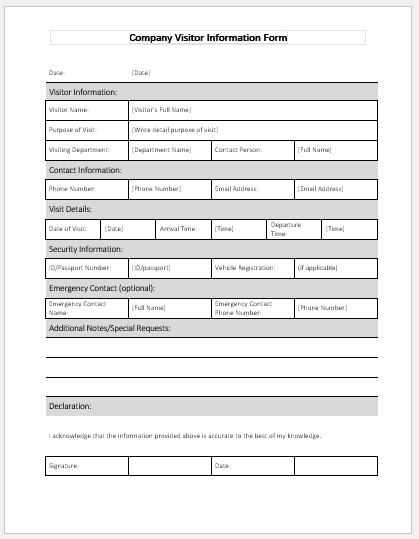
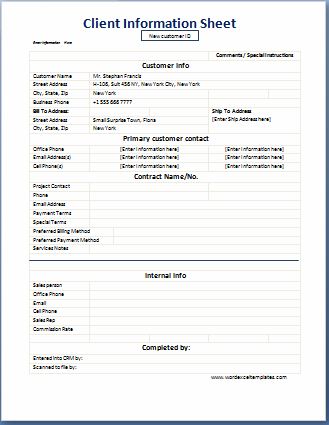
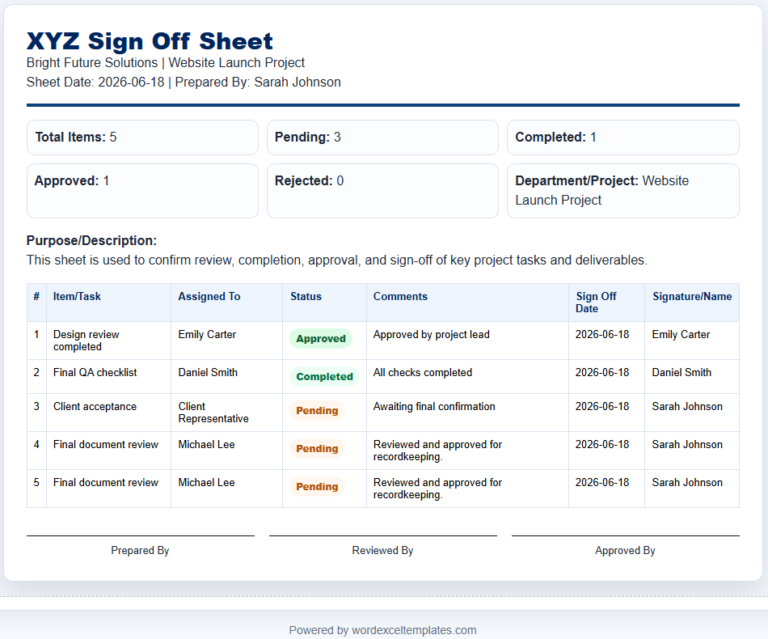
To make the documentation process easier and more efficient, we have created professionally designed Tenderer Information Sheet templates. These templates are organized with all essential sections required for tender submissions, helping users maintain accuracy, consistency, and professionalism.
The templates can be easily customized according to project requirements, organizational policies, or industry standards. They are suitable for contractors, suppliers, consultants, procurement teams, and organizations involved in public or private tendering processes.
About Our Templates
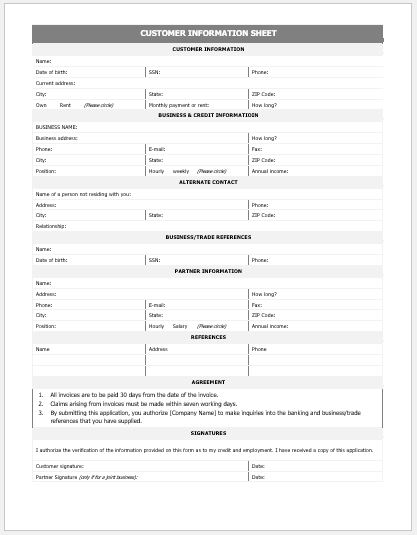
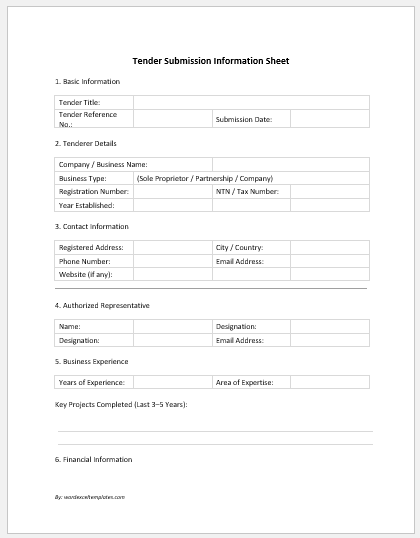
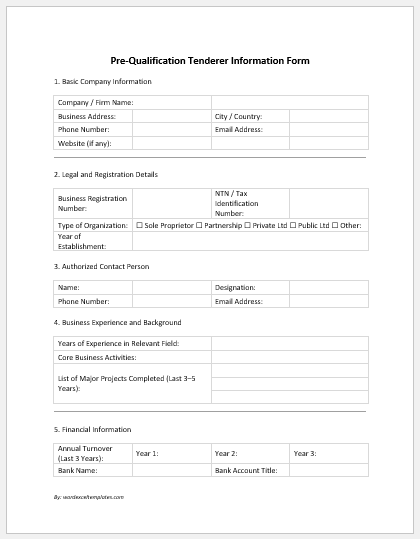
Our Tenderer Information Sheet templates are designed to save time and simplify the preparation of tender documentation. Each template includes well-structured sections for company information, project experience, financial details, key personnel, declarations, and supporting information. The templates are fully editable and easy to customize in Microsoft Word or other compatible spreadsheet software.
These templates help ensure that all necessary information is presented in a clear and organized format, reducing the chances of missing important details during the tender submission process. Whether you are preparing a small business proposal or a large-scale procurement submission, our templates provide a practical and professional solution for managing tenderer information effectively.
#1
Tenderer Profile and Information Sheet
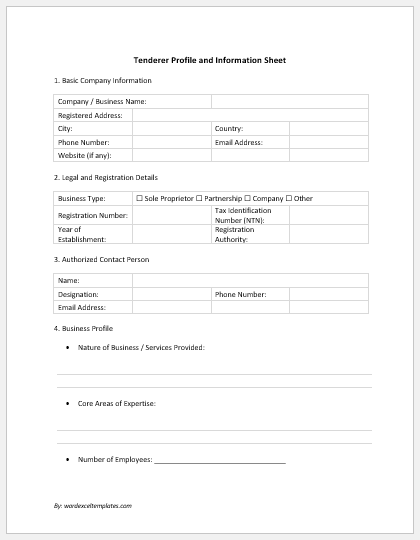
Format: MS Word (.docx)
#2
Bidder Information and Qualification Form
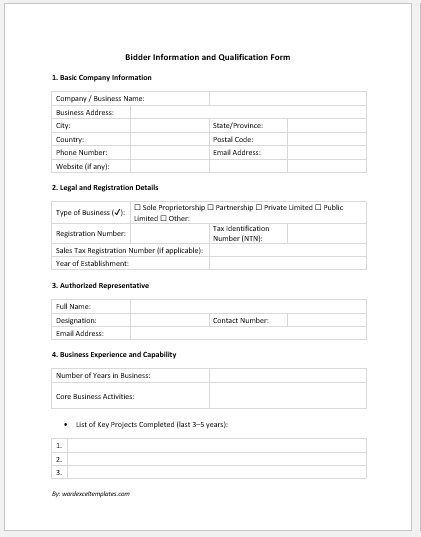
Format: MS Word (.docx)
#3
Tender Submission Information Sheet
Format: MS Word (.docx)
#4
Pre-Qualification Tenderer Information Form
Format: MS Word (.docx)
- Reimbursement Management Forms
- Forms Used for Workplace Ethics and Policies
- Forms used for Operations in an Organization
- Procurement/Supply Chain Forms
- Downloadable Forms for Unprofessional Behavior
- Commonly Downloaded Office Forms
- Employee Dispute & Grievance Forms
- Insurance & Protection Benefit Forms
- Employee Retirement & Pension Forms
- Employee Service & Tenure Forms
- Employee Health & Well-being Forms
- Employee Scrutiny & Evaluation Forms
- Customer Service and Support Form Generator
- Commonly Used Forms for Payroll Correction
- Employee Exit Forms -Generate Online
- Office Discipline & Violation Forms
- Marketing Forms Used by Businesses
- Salary Negotiation Form