Music makes events more exciting and enjoyable. Musicians and bands are hired to perform and entertain guests. To keep providing their services, they must give clients what they want, and in return they must be paid for their work.
Music service providers need to work efficiently so that clients can book them easily and without difficulty. They also need a clear process that ensures they get paid. A music performance invoice helps with both.
What is a music performance invoice?
A music performance invoice is a document that formally requests payment for the services provided by a band or musician. It can be used for performances, equipment hire, product sales, lessons and compositions.
Create a sample music performance invoice below:
Music Performance Invoice
Bill a client for a gig, wedding, corporate event or studio session. The totals, deposit and balance due are worked out as you type.
Your Band or Artist Details
Bill To
Event
Fees (up to 10 lines)
Add Many at Once
Each line is added with a quantity of 1.
Invoice
Payment Details & Terms
What does a music performance invoice do?
The invoice ensures that musicians and bands are paid for their work. It lists the services and their costs, so the client knows exactly how much to pay and what it is for.
How to create a professional music performance invoice?
An invoice should include specific details so that it is clear and transparent. The following points will help you create one.
Formal format: Choose an application in which you can type text and do calculations, such as Microsoft Excel. Use a heading such as “Music Performance Invoice”. You can add your logo, and you should always include the invoice date and the invoice number.
Your details: Include the name of the band or musician, along with an address, phone number and email.
Client details: Under “Bill To”, add the client’s name and contact details, such as an address and phone number.
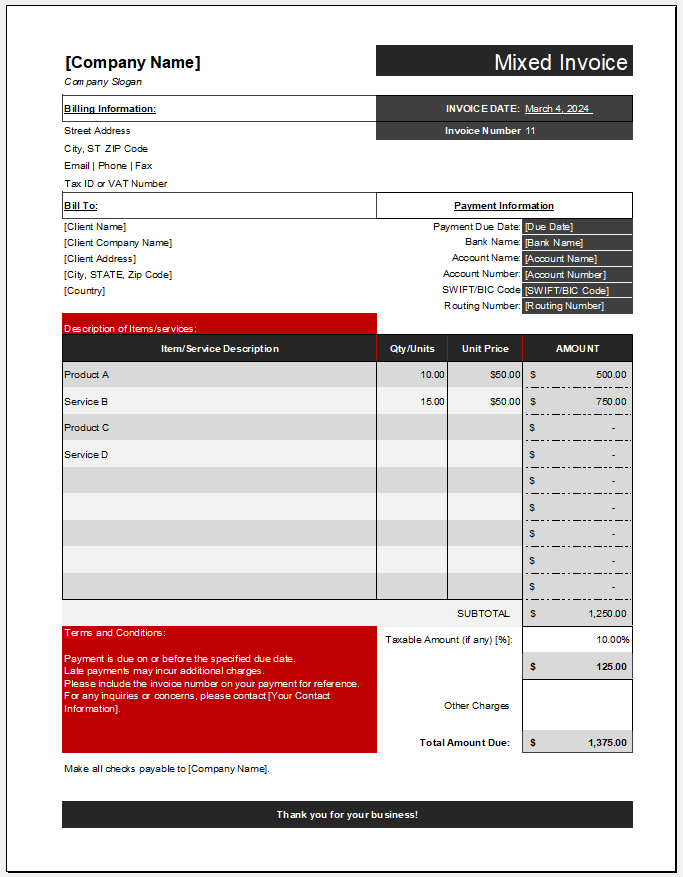
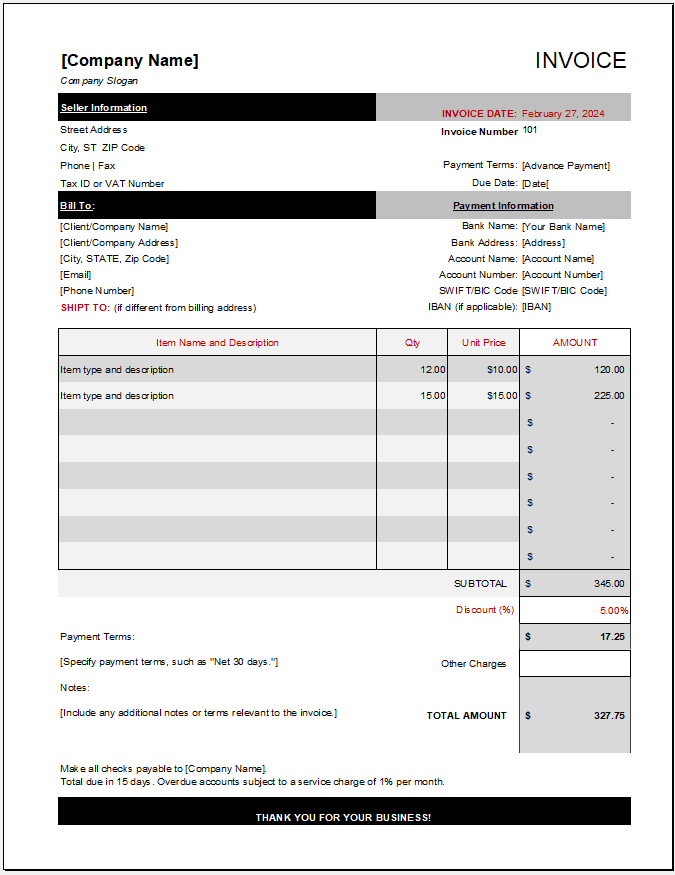
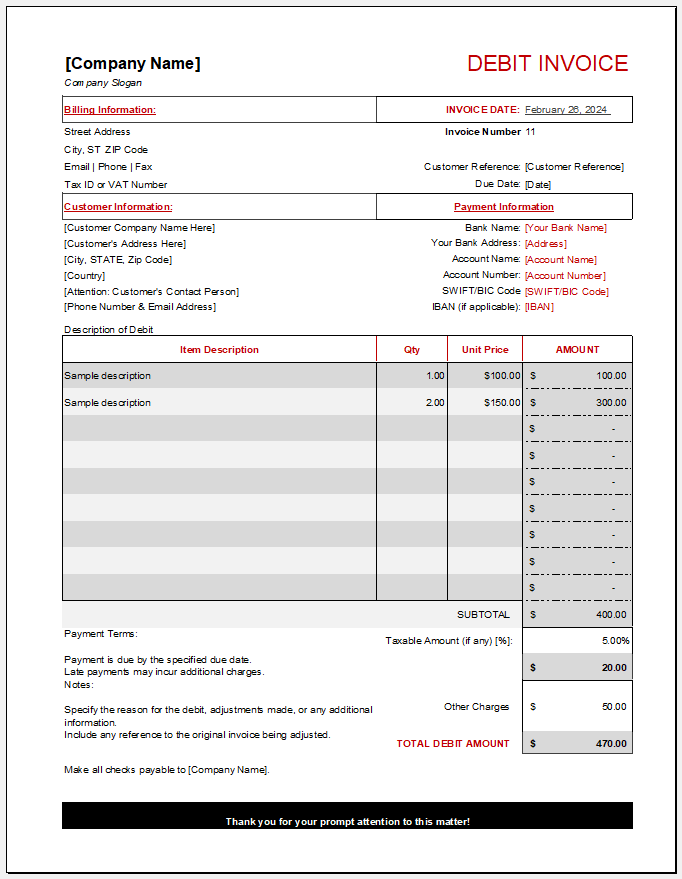
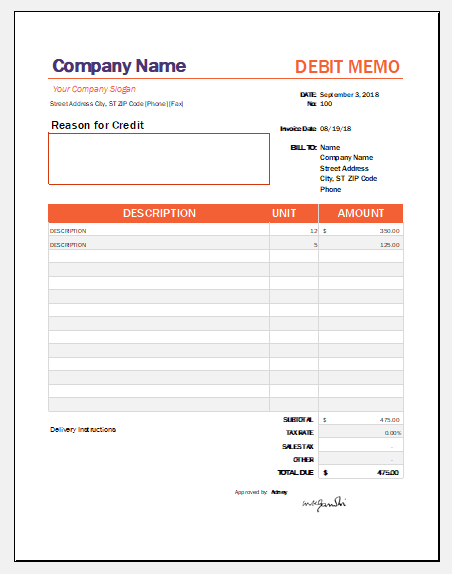
Details of the services: Present the services in a table. A description column states what was provided. Many musicians charge by the hour, so you can add a column for the number of hours, followed by columns for the rate per hour and the amount. Below the amount column, add rows for the subtotal, tax or VAT, and the total. You can also add a notes area for any extra information, such as the event date and venue.
Payment terms: State the payment terms, including when the client must pay and how. If you accept bank transfers or cheques, include the account details or the name the cheque should be made out to.
Ask for payment professionally: Musicians and bands must be paid for their work, and a formal request makes clients take payment seriously. An invoice gives all the details of the performance and its cost, so the client knows exactly what they are paying for.
If the client believes they have been charged incorrectly, they can raise the invoice with you and the issue can be cleared up. The invoice also shows the client when payment is due.
Because everything is shown clearly, clients can see that they are being charged correctly. An invoice is a financial document issued by the service provider, and it should be kept in your records in case a dispute arises between the parties.
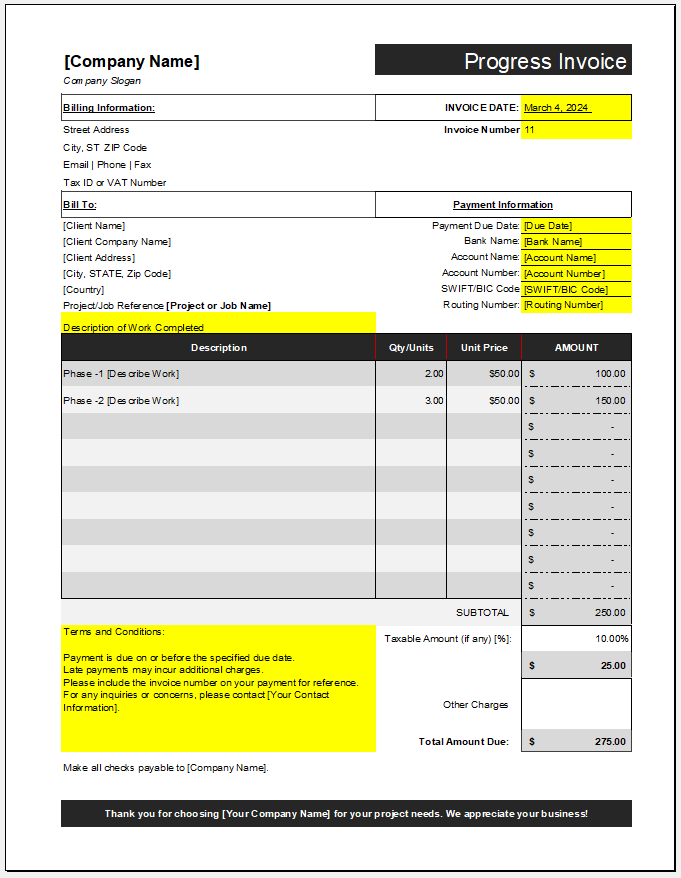
Below is a downloadable MS Excel invoice

Excel Invoice Template